
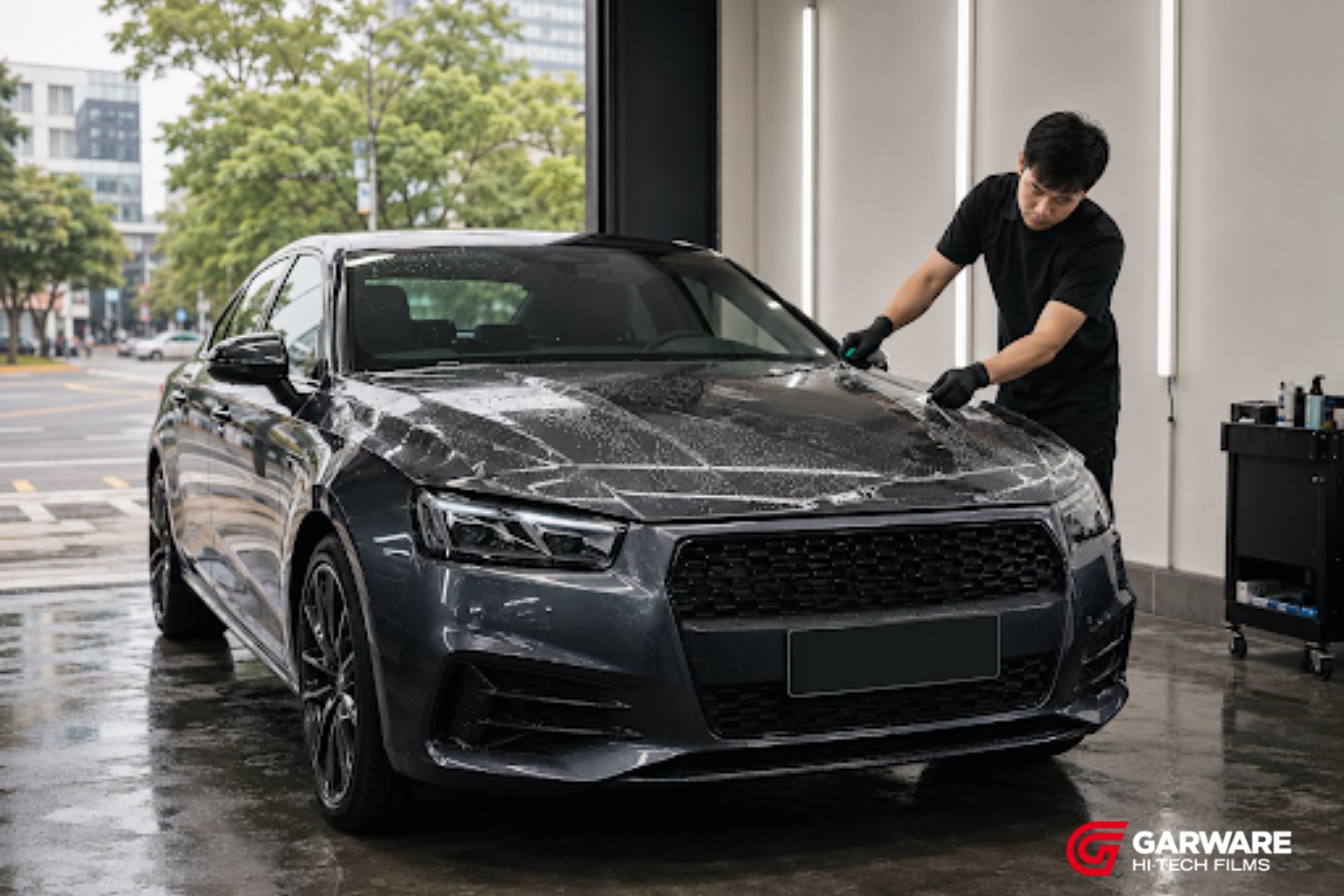
Is PPF worth it for a car that is driven every day? It is a question many owners ask soon after bringing home a new vehicle. The answer goes beyond appearance. The discussion of whether a high-quality paint protection film is worth it is really about preserving the factory paint from the wear and tear of everyday driving. Applied as a transparent polyurethane layer, PPF acts as a protective shield against minor impacts and surface damage.
Daily commutes expose a car to stone chips, road debris, parking scratches, bird droppings, harsh sunlight and frequent washing. Over time, this everyday exposure can dull the paint and increase the need for paint correction or repainting.
Whether PPF makes sense depends on how often you drive, the roads you use and how long you plan to keep your car. Understanding what it protects against and where it adds value makes it easier to decide if it is a worthwhile choice for everyday driving.
AI Quick Answer: Is PPF Worth It for Daily Driving?
Is PPF worth it for everyday driving? In many cases, yes. PPF for daily driving protects against stone chips, paint scratches, bird-dropping damage, road debris, and UV damage to car paint, helping preserve the factory finish. Its long-term value depends on driving habits, film quality, professional PPF installation and how long you plan to own the vehicle.
Why Daily Driving Causes Faster Car Paint Damage
A car used every day faces far more paint damage than one driven occasionally. City traffic, highways and changing weather all leave their mark over time.
The most common causes include:
Stone chips from roads
Loose gravel, broken asphalt and construction debris frequently strike the front bumper, bonnet and mirrors. These small impacts gradually create chips that expose the paint underneath.
Minor scratches during parking
Crowded parking areas, narrow residential lanes and heavy traffic increase the likelihood of minor contact with shopping trolleys, doors, bushes and roadside objects. These incidents often leave visible paint scratches.
Dust, sand and road debris
Dust and sand can leave fine scratches when the surface is wiped or washed improperly. Loose debris on the road also adds to daily wear, making road debris protection important.
Bird droppings and tree sap
Bird droppings, tree sap and insect residue can damage the clear coat if not cleaned quickly. Leaving them on the surface for too long may result in permanent stains.
UV rays and oxidation
Constant exposure to sunlight can cause paint oxidation, leading to faded colour and reduced gloss. UV protection for car paint helps slow this damage and keeps the finish looking newer for longer.
Frequent washing
Regular washing keeps a car clean, yet poor washing techniques can leave fine swirl marks that slowly dull the paint.
This is why many daily drivers choose to protect their car's paint early.
What Does PPF Protect Against During Daily Driving?
Understanding the capabilities of PPF for new cars makes it easier to evaluate whether the investment aligns with your driving habits.
Stone Chips and Road Debris
High-quality TPU paint protection film provides stone chip protection by absorbing minor impacts from gravel and loose stones before they reach the paint surface. This makes it particularly valuable for highway travel where flying debris is common.
Minor Scratches and Swirl Marks
Premium self-healing PPF contains an elastomeric top layer that can recover from light scratches when exposed to heat. Everyday marks caused by washing, dust or light friction become far less noticeable.
Environmental Contaminants
PPF creates a protective barrier against:
-
Bird droppings damage
-
Tree sap
-
Insect residue
-
Acid rain
Premium hydrophobic PPF also allows water and contaminants to slide off more easily, making routine cleaning simpler.
UV Exposure
Sunlight can gradually lead to paint oxidation, causing the colour and gloss to fade over time. PPF adds UV protection for car paint and helps retain the original finish.
Overall, PPF reduces the impact of several everyday hazards without replacing proper vehicle care.
Daily Driving Paint Risks vs How PPF Protects Your Car
Paint damage is a common part of everyday driving. PPF helps minimise the effect of the most frequent causes.
|
Daily Driving Risk |
How PPF Helps |
|
Stone chips |
Absorbs minor impacts |
|
Parking scratches |
Protects paint surface |
|
Bird droppings |
Reduces direct paint contact |
|
UV rays |
Preserves paint finish |
|
Road debris |
Acts as a protective barrier |
|
Frequent washing |
Reduces swirl marks |
Although PPF cannot prevent severe accident damage, it significantly reduces the wear caused by routine driving.
Is PPF Worth It for Different Driving Habits?
Driving habits play a major role in determining whether paint protection film is worth it as a practical investment.
PPF for Daily City Commuters
Urban driving involves frequent stops, congested roads and limited parking spaces. Minor scratches and bumper scuffs occur more often, making PPF for daily driving especially useful for city vehicles.
PPF for Frequent Highway Drivers
Regular highway driving exposes your car to gravel, loose stones and flying debris. Front-end protection helps reduce paint chips from these road hazards.
PPF for Long-Distance Travellers
Vehicles covering long distances remain exposed to changing weather, insects, road debris and prolonged sunlight. Additional protection helps preserve the paint over extended journeys.
PPF for Premium and Luxury Cars
Luxury vehicles often have premium paint finishes and higher repair costs. Factory paint preservation helps maintain appearance and supports stronger car resale value.
PPF for Daily-Use Family Cars
Family vehicles experience constant daily use for school runs, shopping and weekend travel. PPF helps reduce cosmetic damage while lowering ongoing maintenance requirements.
Selecting PPF becomes easier when your driving pattern matches the type of protection it offers.
Is PPF Worth It in India for Hatchbacks, Sedans and SUVs?
Vehicle type also affects the overall return on investment. For people wondering, ‘should I get PPF for my car?', the answer often depends on your vehicle type, driving habits and long-term ownership.
The following comparison provides a general overview.
|
Vehicle Type |
Usage & Exposure |
When PPF Is Worth It |
When PPF May Not Be Worth It |
Key ROI Insight |
|
Hatchbacks |
Daily city commutes, traffic and tight parking |
Premium hatchbacks, longer ownership, resale focus |
Entry-level cars with short ownership |
Partial coverage often delivers better value |
|
Sedans |
Longer body panels, lower ground clearance |
Higher repaint costs and long-term ownership |
Short ownership duration |
Paint repair savings can justify the investment |
|
SUVs |
Highway touring, rough roads and extended travel |
Premium SUVs with frequent highway driving |
Very short ownership |
Larger painted surfaces benefit more from protection |
Installation costs vary based on vehicle size, coverage area, installer expertise and film quality. Looking at long-term ownership often gives a better perspective than considering only the initial cost.
PPF Cost vs Long-Term Value for Daily Drivers
The upfront cost may seem high, which is why many buyers compare PPF cost vs benefits before deciding ‘Should I install PPF?’
Over time, high-quality PPF can reduce the need for polishing, delay repainting, preserve the original finish and support better resale value. The benefits of paint protection film are usually greater for vehicles kept over the long term.
Long-term value also depends on proper maintenance, installation quality and driving conditions.
PPF Upfront Cost vs Long-Term Benefits
The table below highlights how the initial investment translates into long-term paint protection.
|
Initial Investment |
Long-Term Benefit |
|
Professional installation |
Preserves factory paint |
|
Premium TPU film |
Better durability |
|
Regular maintenance |
Easier cleaning |
|
Higher upfront cost |
Lower repainting costs |
|
Protective layer |
Better resale appeal |
Instead of seeing PPF as just an accessory, many owners view it as a practical way to protect their vehicle over the long term.
How to Maximise PPF Value and Durability
Installing PPF is only the first step. Proper decisions after installation determine how well the film performs over time.
To maximise PPF durability for daily use, consider the following:
-
Choose premium TPU paint protection film with self-healing PPF technology.
-
Always opt for experienced professionals offering professional PPF installation.
-
Protect high-impact areas or choose full-body coverage based on your driving habits.
-
Follow recommended PPF maintenance practices, including gentle washing.
-
Inspect the film regularly for lifting edges or accidental damage.
-
Read the warranty terms before installation.
Choosing a quality film like the one by Garware Hi-Tech Films, along with proper installation and regular maintenance, helps protect your vehicle's paint for years.
Who Should Get PPF for Daily Driving?
Although every vehicle can benefit from added protection, certain owners gain greater value from PPF.
PPF is particularly suitable for:
-
Owners of new cars looking for factory paint preservation
-
Daily commuters who need daily commute protection
-
Frequent highway drivers exposed to flying debris
-
Luxury and premium vehicle owners
-
Long-term owners planning to keep their vehicles for years
-
Commercial and business vehicles with high annual mileage
Many buyers also compare ceramic coating vs PPF. Ceramic coating improves gloss and makes cleaning easier, while PPF focuses on protecting paint from physical damage. The two can work well together rather than replace each other.
Final Verdict: Is PPF Worth It for Daily Driving?
The answer to ‘is PPF worth it?’ depends largely on how and where the vehicle is driven. Cars used every day face constant exposure to scratches, stone chips, road debris, sunlight and environmental contaminants that gradually reduce paint quality. A high-quality paint protection film is worth it when long-term ownership, lower repair costs, and improved car resale value are priorities.
Owners asking 'Is PPF necessary for cars?' should consider their driving habits, not just the installation cost. Choosing premium paint protection film, following proper maintenance and opting for professional installation help preserve the vehicle's original factory finish and deliver better long-term value.
FAQs About PPF for Daily Driving
1. Is PPF worth the investment for daily driving?
Yes, if you drive regularly. PPF helps protect your paint from everyday hazards like stone chips, road debris and minor scratches.
2. How long does PPF last on a daily-driven car?
A good-quality PPF typically lasts 5–10 years, depending on the film quality, installation and maintenance.
3. Does PPF help maintain a car’s resale value?
Yes. By keeping the original paint in better condition, PPF can help improve your car's resale value.
4. Is PPF better than ceramic coating for daily use?
PPF offers better protection against physical damage, while ceramic coating mainly improves gloss and makes cleaning easier.
5. Can PPF completely prevent stone chips and scratches?
No. It reduces the impact of everyday chips and minor scratches but cannot prevent every type of damage.
6. Should daily drivers choose full-body or partial PPF?
It depends on your driving habits and budget. Partial coverage protects high-impact areas, while full-body PPF offers more complete protection.
7. Is PPF worth it for hatchbacks, sedans, and SUVs?
Yes. The benefits apply to all vehicle types, especially if they are driven frequently.
8. Can PPF be installed on an older car?
Yes. As long as the paint is in good condition or properly corrected beforehand, PPF can be installed on older vehicles.
9. What maintenance does PPF require?
Wash the car regularly with gentle products and avoid harsh chemicals or abrasive cleaning methods.
10. How do I choose the right PPF for my car?
Choose a high-quality TPU film, a trusted installer and a product backed by a reliable warranty.