

Deciding between an SUV and a hatchback can feel overwhelming, especially when every advertisement, friend, or online forum has a strong opinion. The SUV vs hatchback comparison isn’t just about size or style; it’s about how you live, where you drive, and what you value in a car. In India, where narrow city lanes meet broken highways and monsoon floods, this choice carries real consequences for comfort, cost, and convenience. If you’ve ever asked, “SUV vs hatchback: which is better?” or “Should I buy an SUV or hatchback for Indian roads?”
In this definitive guide, we will break down every factor that matters: from ground clearance and mileage to safety, family needs, and long-term ownership costs, so that you can make a confident, informed decision.
SUV vs Hatchback: Quick Verdict
-
Choose a hatchback if you drive mostly in cities, prioritise fuel savings, have a tight budget, or are a first-time buyer.
-
Choose an SUV if you travel frequently on highways, face bad roads, carry family regularly, or want better safety and road presence.
-
Compact SUVs (like Brezza, Nexon) are technically tall hatchbacks, but also offer SUV-like benefits with moderate cost increases.
-
Real-world suitability matters more than body type labels.
What Is a Hatchback and What Is an SUV?
Hatchback: Definition, Features & Examples
A hatchback is a compact car with a single compartment for passengers and cargo, separated from the engine bay. The rear door (hatch) opens upward, integrating the cabin and boot. Designed for efficiency and agility, hatchbacks typically measure under 4 meters in length, making them ideal for Indian city driving. Popular examples: Maruti Suzuki Baleno, Tata Altroz, Hyundai i20, and Toyota Glanza.
SUV: Definition, Features & Examples
In the Indian context, most “SUVs” are actually compact or subcompact SUVs, taller, rugged-styled variants built on hatchback platforms (e.g., Brezza on Baleno platform). True SUVs (like Fortuner or Scorpio) use body-on-frame construction, but these are niche. For 95% of buyers, an SUV means a high-riding, 4-meter-plus vehicle with 180+ mm ground clearance, upright seating, and SUV-inspired design. Examples: Hyundai Creta, Kia Seltos, Tata Nexon, Maruti Brezza.
SUV vs Hatchback: Key Differences at a Glance (Comparison Table)
To understand the real-world differences between an SUV and a hatchback, it helps to compare their dimensions, costs, comfort, and ownership factors side by side. The table below highlights how the two body types differ across key parameters relevant to Indian buyers.
|
Feature |
Hatchback |
SUV (Compact) |
|
Length |
3.8 – 4.0 meters |
3.95 – 4.3 meters |
|
Ground Clearance |
160 – 180 mm |
180 – 210 mm |
|
Seating Position |
Low, car-like |
High, commanding |
|
Average Petrol Mileage |
19 – 24 kmpl |
14 – 18 kmpl |
|
Starting Price (Ex-Showroom) |
₹6.5 – 8.5 lakh |
₹8 – 11 lakh |
|
Boot Space |
280 – 350 litres |
350 – 450 litres |
|
Standard Safety (Mid Variants) |
2 airbags, ABS |
6 airbags, ESP, Hill Hold |
|
Annual Maintenance Cost |
₹5,000 – ₹8,000 |
₹8,000 – ₹12,000 |
|
Resale Value (After 3 Years) |
60–65% (Maruti) |
55–60% (Hyundai, Tata) |
Note: Based on 2025–2026 models like Baleno vs Brezza, i20 vs Creta, Altroz vs Nexon.
SUV vs Hatchback: City Driving Comparison
City Driving: Hatchback Advantages
-
Easy manoeuvrability: Shorter wheelbase allows quick U-turns in narrow markets.
-
Effortless parking: Fits into tight slots; rear cameras often sufficient (no need for 360-degree systems).
-
Lightweight steering: Ideal for stop-and-go traffic and female or elderly drivers.
-
Lower kerb weight: Less strain on brakes and tyres in congested zones.
City Driving: SUV Challenges
-
Wider body: Scrapes on poles, gates, or adjacent cars during parallel parking.
-
Longer overhangs: Risk of bumper damage on steep ramps or speed breakers.
-
Heavier steering at low speeds: Requires more physical effort in slow-moving lanes.
Exception: Compact SUVs like Nexon or Breeza are only slightly larger than hatchbacks and manageable in cities, but still less agile than a Baleno or Polo.
Verdict: For 100% city use, hatchbacks win on practicality and driver ease.
SUV vs Hatchback: Highway & Rural Roads Performance
Highway & Rural Roads: SUV Strengths
-
Ground clearance: Clears potholes, railway crossings, and monsoon water without scraping.
-
Suspension tuning: Firmer dampers absorb bumps better on NH stretches.
-
Headlight height: Better illumination on unlit rural roads.
-
Passenger comfort: Upright seating reduces lower-back strain on long journeys.
Highway & Rural Roads: Hatchback Limitations
-
Low clearance: Requires constant vigilance on uneven surfaces; frequent underbody damage reported.
-
Harsh ride: Shorter wheelbase transmits every crack directly to the cabin.
-
Wind noise: Less sound insulation at highway speeds (100+ kmph).
Real-World Insight: On a Delhi–Jaipur or Mumbai–Pune run, SUV passengers arrive fresher. On a daily 20-km commute within Chennai? The hatchback owner saves fuel and stress.
Verdict: If 30%+ of your driving is outside city limits, an SUV pays for itself in comfort and durability.
SUV vs Hatchback: Mileage & 5-Year Running Costs
Real-World Fuel Economy Comparison
-
Hatchback (Petrol): 20–24 kmpl real-world (e.g., Baleno Delta: 22 kmpl)
-
SUV (Petrol): 15–18 kmpl real-world (e.g., Brezza Delta: 17 kmpl)
-
CNG Hatchback: 28–32 km/kg (e.g., WagonR CNG)
-
Diesel SUV: 18–21 kmpl (e.g., Seltos diesel)
5-Year Ownership Cost Projection
Purchase price is only one part of car ownership. The table below compares the estimated five-year running and ownership costs of a typical hatchback versus a compact SUV, factoring in fuel, insurance, maintenance, and tyre replacement.
|
Expense |
Hatchback (Baleno) |
SUV (Brezza) |
|
Fuel Cost |
₹4.8 lakh |
₹6.4 lakh |
|
Insurance (Comprehensive) |
₹72,000 |
₹92,000 |
|
Service & Maintenance |
₹38,000 |
₹58,000 |
|
Tyre Replacement (2 sets) |
₹24,000 |
₹32,000 |
|
Total |
₹14.14 lakh |
₹18.22 lakh |
Verdict: Hatchbacks are significantly cheaper to own long-term, critical for salaried buyers.
SUV vs Hatchback: Safety Comparison & Data
Safety: Structural Considerations
-
SUVs have higher mass, which provides advantage in collisions with smaller vehicles.
-
However, higher center of gravity increases rollover risk during emergency swerves.
Safety Tech & Feature Availability
-
SUVs: 6 airbags, ESP, Hill Assist, and ADAS (e.g., Hector, Seltos GTX+) are common from ₹14 lakh.
-
Hatchbacks: Even top variants (under ₹10L) rarely offer more than 2 airbags and basic ABS. Exceptions: Tata Altroz (5-star NCAP), Volkswagen Polo (4-star).
Real-World Implication:
On highways at 80+ kmph, an SUV’s stability and braking control reduce accident risk. In city crashes (30–50 kmph), a well-built hatchback like the Altroz can be equally safe.
Verdict: SUVs lead in safety tech, but a high-safety hatchback beats a base SUV. A larger vehicle does not automatically mean a safer vehicle; build quality, crash ratings, and active safety systems matter more than size alone.
SUV vs Hatchback: Family Comfort & Practicality
Safety goes beyond airbags and size. The table below outlines how hatchbacks and SUVs differ in terms of structural safety, feature availability, and real-world protection scenarios.
|
Need |
Hatchback |
SUV |
|
Daily school drop (2 kids) |
Sufficient |
Overkill |
|
Weekend family trip (2 adults + 2 kids) |
Manageable |
More comfortable |
|
Elderly passengers |
Hard to enter/exit |
Easy due to high seat |
|
Stroller / Luggage |
Tight fit |
Ample space |
|
Cabin noise on highways |
Higher |
Better insulated |
Expert Note: The Tata Nexon or Hyundai Venue offers near-hatchback pricing with SUV practicality: an ideal middle ground for young families.
Verdict: Families with frequent travel or elderly members benefit more from SUVs.
SUV vs Hatchback: Pros & Cons
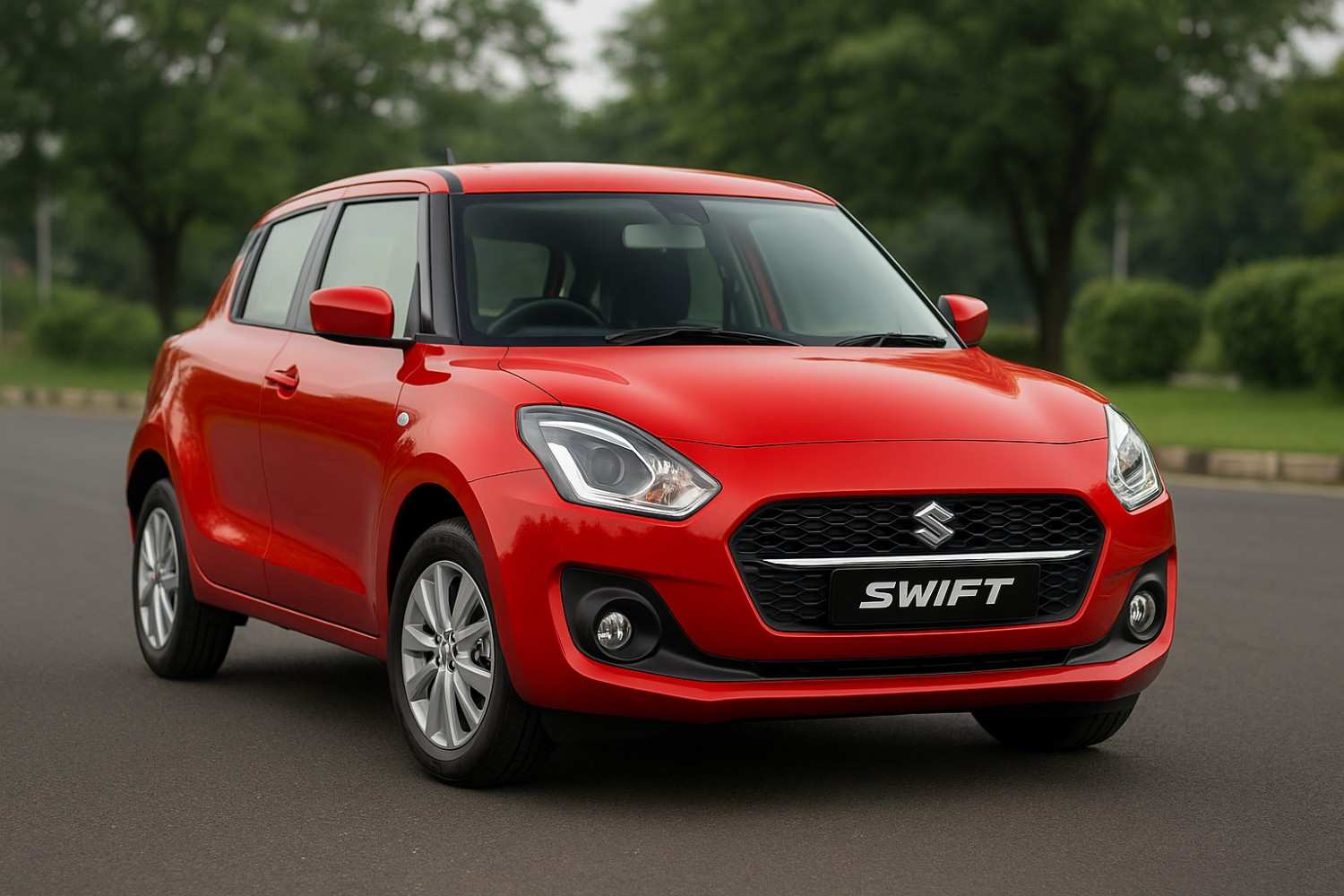
Hatchback Pros
-
Lower purchase price and EMI
-
Best-in-class fuel efficiency
-
Easy to drive, park, and repair
-
High resale value (especially Maruti)
-
Lower insurance premiums
-
Better for narrow lanes and flyovers
Hatchback Cons
-
Limited rear legroom for adults
-
Vulnerable to road damage
-
Few advanced safety features
-
Less “premium” feel
-
Boot space reduced with CNG
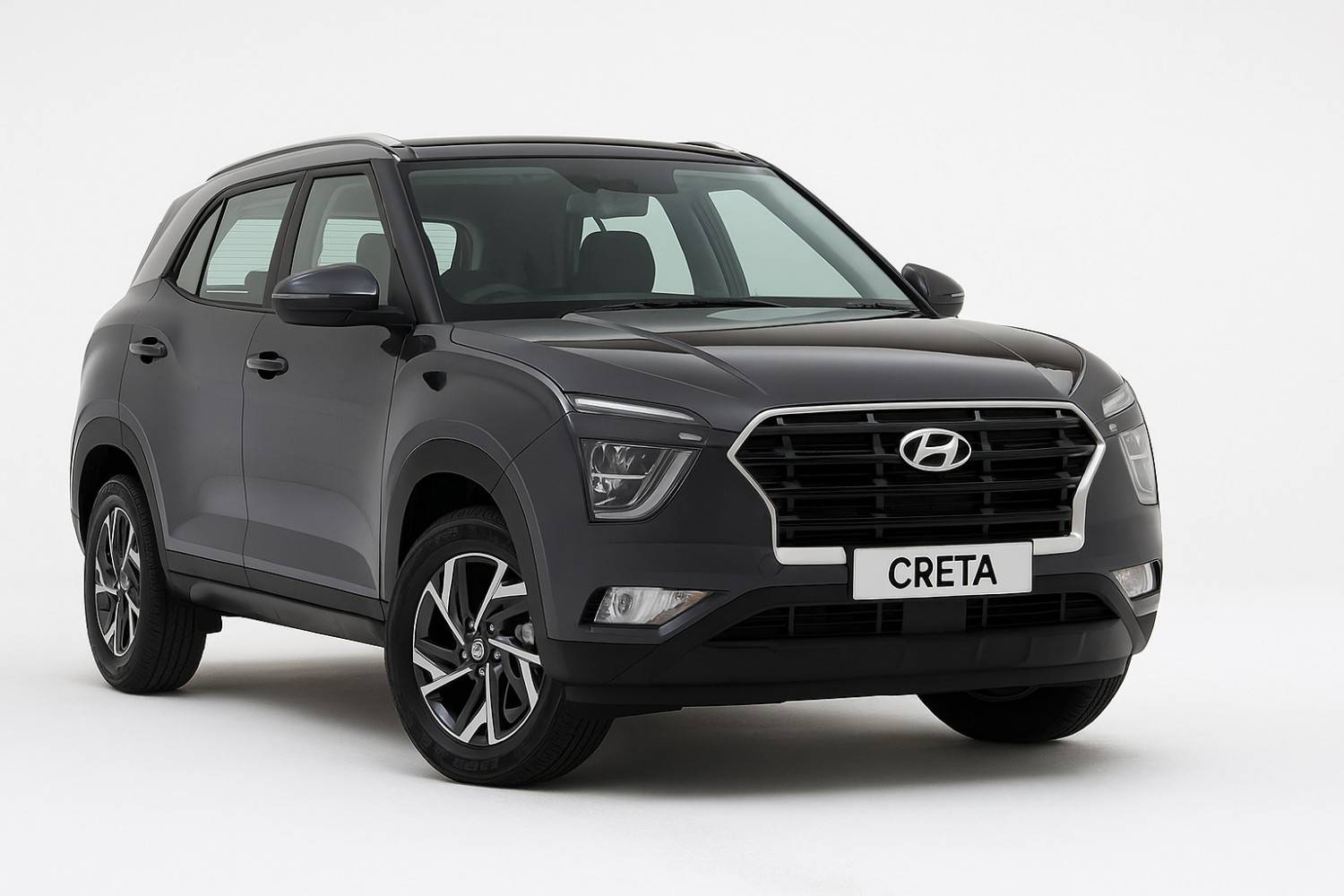
SUV Pros
-
Confident driving on bad roads
-
Spacious, airy cabin
-
Higher seating = better visibility
-
More tech and safety as standard
-
Strong road presence
-
Better long-distance comfort
SUV Cons
-
Higher fuel and maintenance costs
-
Bulkier in traffic and parking
-
Heavier steering at low speeds
-
Slightly lower resale than top hatchbacks
-
Higher initial investment
SUV vs Hatchback: Best Use-Case Scenarios
-
Daily city commute under 30 km: Choose a hatchback.
-
Frequent highway travel or rural roads: Go for an SUV.
-
Family of 4+ with weekend trips: SUV offers comfort.
-
Tight budget (< ₹9 lakh on-road): Hatchback gives more features.
-
First car ever: Hatchback is safer and simpler.
-
Want premium feel and tech: Compact SUV delivers presence.
Paint Protection Film (PPF) for SUVs & Hatchbacks
No matter which one you choose: an SUV for its rugged presence or a hatchback for its city-smart efficiency, protecting your car’s paint from scratches, stone chips, and UV fading is essential. Paint Protection Film (PPF) is a clear, self-healing thermoplastic layer applied to high-impact areas like the hood, fenders, and bumpers. It preserves resale value, maintains showroom gloss, and eliminates the need for frequent polishing or touch-ups. For SUVs that face highway debris and hatchbacks navigating tight parking spots, PPF is a small upfront investment that pays off in long-term aesthetics and ownership pride.
Final Verdict: SUV or Hatchback – Which Should You Choose?
There is no ‘best’ car; it all depends on which SUV works for you and your lifestyle.
-
If your life revolves around city limits, short commutes, and budget discipline, a hatchback like the Maruti Baleno, Tata Altroz, or Hyundai i20 delivers unmatched practicality and value.
-
If your weekends mean road trips, your daily route includes potholed streets, or your back seat regularly carries adults, a compact SUV like the Tata Nexon, Kia Seltos, or Maruti Brezza justifies every extra rupee in long-term comfort and confidence.
In the SUV vs hatchback India debate, the winner is always the one that fits your road.
FAQs on SUV vs Hatchback
1. Which is better in India: an SUV or hatchback?
It depends on your driving needs: SUVs for rough roads and families, hatchbacks for city efficiency and budget savings.
2. Is an SUV safer than a hatchback?
Generally yes. Most SUVs offer more airbags, better structural rigidity, and advanced safety tech, though a well-equipped hatchback can be equally safe at city speeds.
3. SUV vs hatchback: which offers better mileage?
Hatchbacks deliver significantly better fuel efficiency, typically 4–8 kmpl more than comparable SUVs.
4. Which is more suitable for city driving: SUV or a hatchback?
Hatchbacks are far more practical in cities due to their compact size, easier parking, and lighter steering.
5. Is a hatchback cheaper to maintain than an SUV?
Yes. The lower service costs, cheaper tyres, and reduced fuel consumption make hatchbacks more affordable to maintain.
6. SUV vs hatchback: which is better for a small family?
A compact SUV offers more comfort for occasional family use, but a spacious hatchback like the Baleno or Altroz works well for daily needs.
7. Are hatchbacks becoming obsolete in India?
No. They remain popular for urban buyers, first-time owners, and budget-conscious users, though SUVs dominate new sales.
8. Does an SUV cost significantly more to own than a hatchback?
Yes. Over five years, an SUV can cost ₹3–4 lakh more due to fuel, insurance, and maintenance.
9. Which is better for first-time car buyers: SUV or hatchback?
Hatchbacks are easier to drive, park, and afford, making them the smarter choice for beginners.
10. SUV vs hatchback: which has better resale value in India?
Top hatchbacks like the Swift and Baleno often hold slightly better resale value, though popular SUVs like the Brezza and Nexon also retain value well.