

Over the past few years, the sunroof has evolved from being just a luxury feature to a mass-market aspiration in India. What was once a feature seen only on premium sedans and SUVs is now offered even in compact cars. For many buyers, a sunroof adds a sense of openness, style and premium appeal. However, this growing appeal has led to confusion among Indian car buyers, mainly about choosing between sunroof vs non-sunroof cars.
The confusion stems from doubts such as: ‘Is sunroof actually useful in our hot climate?’, ‘Does it affect safety, mileage or long-term reliability?’ and ‘Is the extra cost really justified?’
In this blog, we will do a detailed comparison of cars with sunroof vs without sunroof, and cover factors such as cost, comfort, safety, mileage, maintenance and real Indian driving conditions, so you can make a confident, informed decision.
What Is a Sunroof in a Car (Definition & How It Works)
You may be wondering, ‘is a sunroof worth it in India?’ Let’s answer that question by first understanding what it is, and how it works.
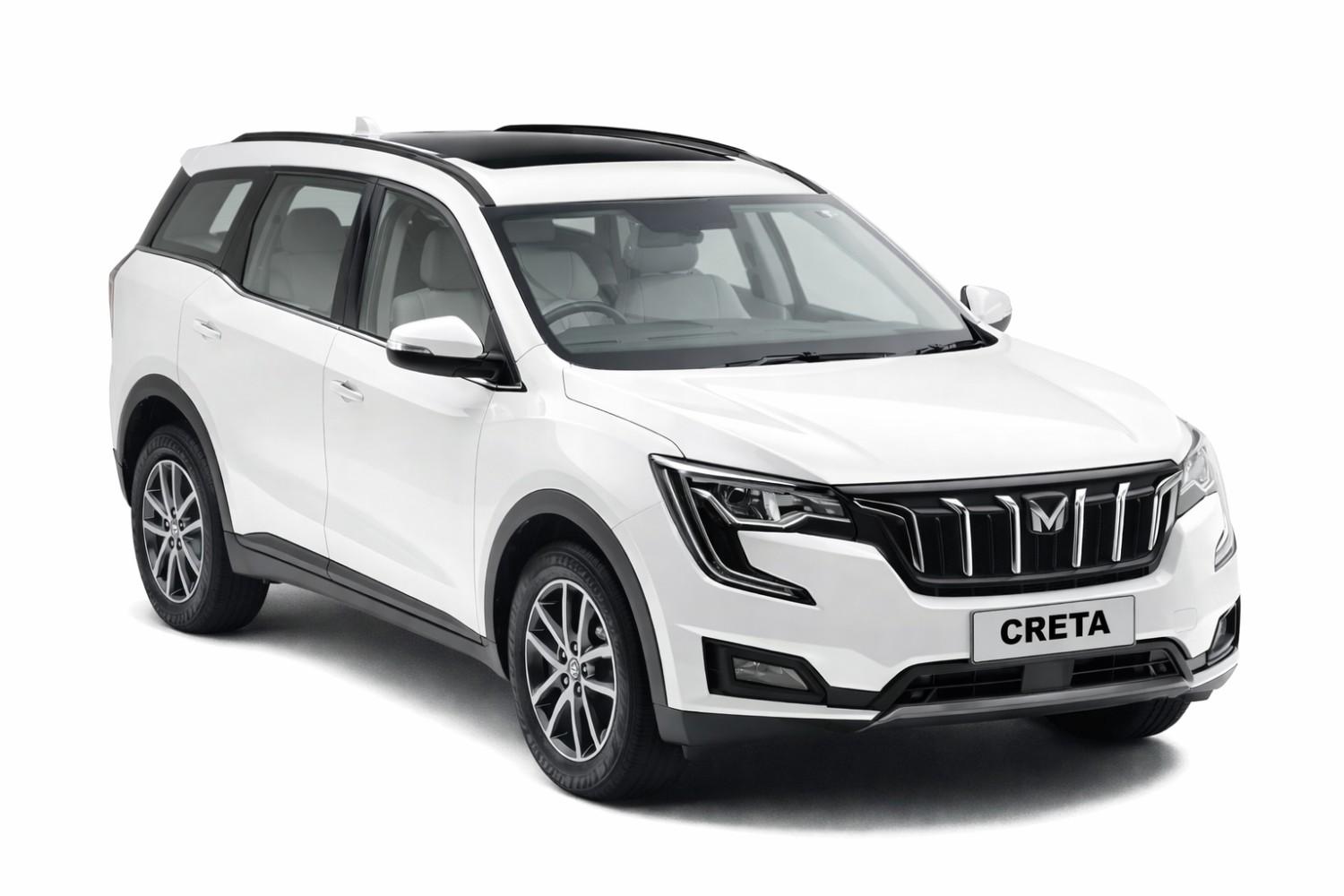
To define, a sunroof is a glass panel fit into a car’s roof that can be opened or tilted to allow light and fresh air into the cabin. Unlike a standard metal roof, a sunroof adds openness and ventilation, further enhancing the in-car experience. Modern sunroofs are made from toughened or laminated safety glasses. They usually have UV and heat-reflective coatings, and are operated manually or electrically.
Types of Sunroofs
There are three common types of sunroofs:
-
Pop-Up Sunroof:
A simple, manually operated panel that pops up slightly for ventilation, this sunroof is usually found in older, entry-level car models, and has limited opening and features. They are the least expensive type of sunroof.
-
Slide/Tilt Sunroof:
This sunroof can tilt for ventilation or slide open completely. It is common in mid-range cars, electrically operated, and offers a balance of practicality and style.
-
Panoramic Sunroof:
A large glass roof that spans both the front and rear seats. It is a mostly fixed glass with a partial opening. It is found in SUVs and premium cars, and maximises light as well as the car’s visual appeal.
What Are Non-Sunroof Cars (Benefits & Drawbacks)
Non-sunroof cars come with a solid metal roof, offering traditional structural integrity without any glass openings. This setup is common in budget and mid-segment vehicles, especially in variants that focus on value and durability.
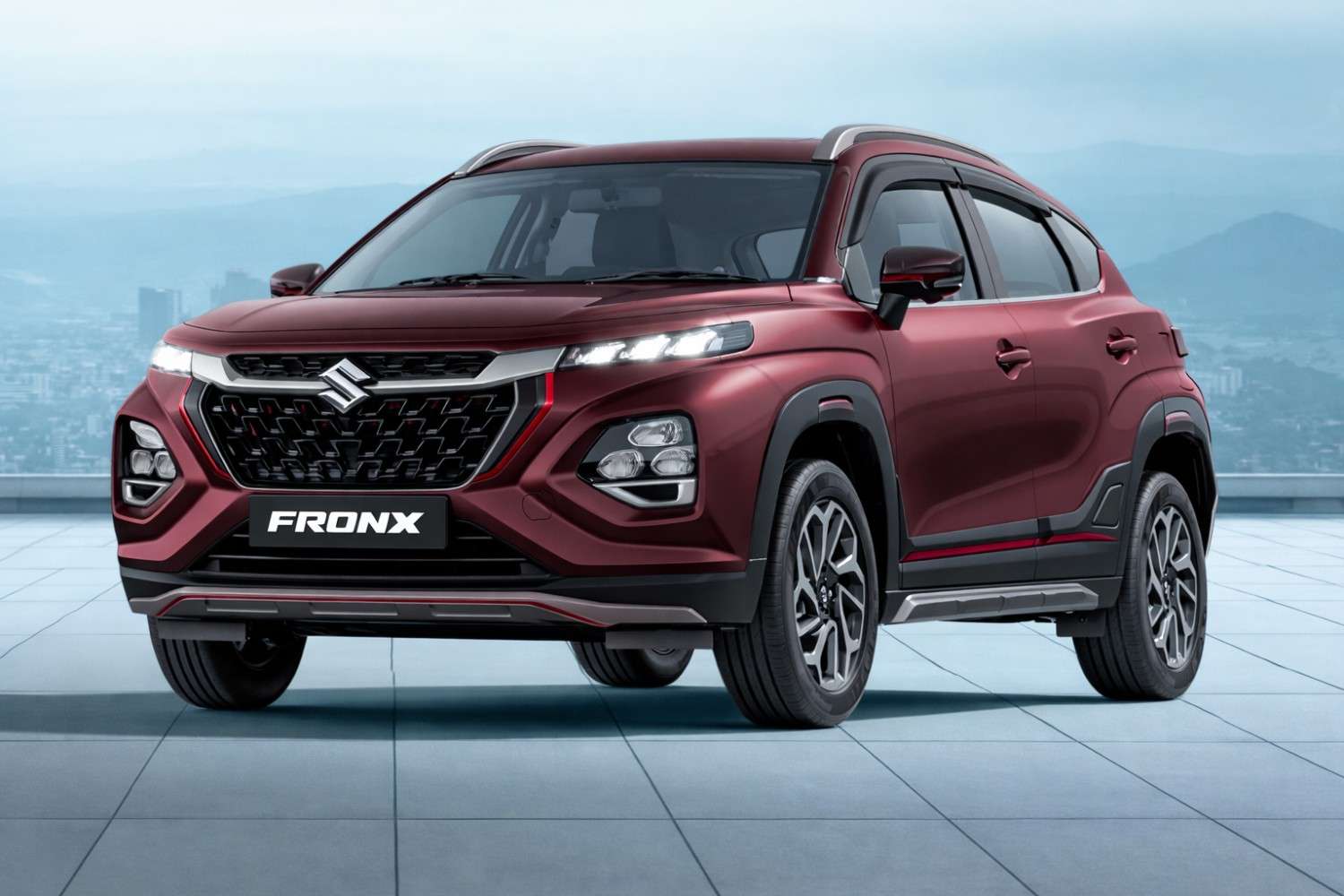
For many buyers, a car with no sunroof means less heat, fewer maintenance concerns, and better long-term peace of mind, especially in Indian weather conditions.
Sunroof vs Non-Sunroof Cars in Indian Conditions
Below is a quick comparison of sunroof vs non-sunroof cars based on cost, comfort, safety and real-world Indian usability.
|
Factor |
Sunroof Cars |
Non Sunroof Cars |
|
Price Difference |
Rs 50,000 to Rs 1.5 lakh higher |
More affordable |
|
Cabin Experience |
Airy, premium feel |
Traditional, enclosed |
|
Heat and Insulation |
Higher heat entry |
Better thermal insulation |
|
Safety |
Safe if used responsibly |
Structurally simpler |
|
Maintenance |
Requires periodic care |
Minimal maintenance |
|
Mileage Impact |
Difference is negligible |
Slightly lighter |
|
Indian Practicality |
Mixed usability |
More practical overall |
Pros of Sunroof Cars
Here are some of the biggest pros and cons of sunroofs in cars. Advantages include:
-
Enhanced cabin openness and natural light.
-
Premium and aspirational feel, especially for first-time buyers.
-
Improved ventilation at low speeds.
-
Higher perceived resale appeal in certain segments.
-
Popular among young buyers and urban users.
Cons of Sunroof Cars
There are also some sunroof disadvantages that are important to remember:
-
Higher upfront cost without the functional necessity.
-
Increased cabin heat, especially in India’s hot summers.
-
Maintenance risks, which include clogged drains or seal wear.
-
Reduced headroom, which is noticeable for taller passengers.
-
Limited usability in rain, dust and extreme heat.
-
Safety risks if misused, especially by children standing through the roof.
Pros of Non-Sunroof Cars
Non-sunroof cars also come with their set of benefits, such as:
-
Better structural simplicity and rigidity.
-
Lower purchase price and better value for money.
-
Reduced heat entry and improved cabin comfort.
-
Minimal maintenance requirements.
-
Higher long-term reliability, especially beyond 5 to 7 years.
Cons of Non-Sunroof Cars
Here are some disadvantages of cars with no sunroof:
-
Less premium or aspirational appeal.
-
No open-air cabin experience
-
Lower lifestyle factor, especially for urban buyers.
Does a Sunroof Affect Safety in Indian Cars?
Ever since they became a popular feature on cars, sunroof safety in India has been a major concern among car buyers. From a design point-of-view, factory-fitted sunroofs are structurally safe and comply with crash regulations. However:
-
Roof strength may be slightly lower than a solid metal roof.
-
Airbags and rollover safety systems are not compromised.
-
Misuse, such as standing up and children leaning out, can pose a real risk.
-
Child-safety locks and responsible usage are critical.
Sunroofs can be safe, but only when they are used correctly, and not just as a viewing platform.
Does a Sunroof Affect Mileage & Performance?
As a first-time car buyer who sees the appeal of a sunroof, it might be confusing to hear the question, ‘does sunroof affect mileage?’ The answer is no; the impact is very minor:
-
Sunroofs do add weight, but it is usually under 20 kg.
-
Real-world mileage difference is negligible.
-
Slight increase in AC usage due to heat absorption.
-
No noticeable impact on engine performance.
Since it plays a very small role, mileage should not be a deciding factor in this choice.
Sunroof Cars in Indian Conditions: Reality Check
Sunroof vs non sunroof cars work differently under India’s extreme weather conditions. Let’s check out how:
-
Heat: Glass roofs increase cabin temperature.
-
Dust: A major sunroof disadvantage is that it requires frequent cleaning in cities.
-
Monsoons: Drain maintenance is essential.
-
City use: Mostly kept closed due to traffic and pollution.
-
Highways: More enjoyable but still weather dependent.
-
Tier-1 cities: Higher acceptance and resale demand.
-
Tier-2 cities: Practical value remains limited.
Is a Sunroof Worth It for You?
So, is a sunroof worth it in India? It depends on the kind of driver you are, and whether you’ll be using it regularly.
-
City Commuter: It is a nice feature to have even if you rarely use it daily.
-
Highway Driver: More enjoyable during leisure drives.
-
Family Buyer: If you have a family, then practicality and safety matter more than novelty.
-
First-time Car Owner: While the lifestyle appeal is strong, it is important to make a decision with your budget in mind.
Sunroof Maintenance & Long-Term Ownership Costs
Sunroof maintenance costs often cover services such as:
-
Regular cleaning of the drainage channels.
-
Rubber seal maintenance to prevent leaks.
-
Glass replacement.
-
This is usually covered under comprehensive insurance, although it is subject to terms.
How to Reduce Heat & UV in Sunroof Cars in India
Glass sunroofs allow for more heat and UV radiation to enter the cabin, especially in the summer. To manage this:
-
Use factory sunshades consistently.
-
Opt for high-quality UV and heat rejection window films, such as Garware Sun Control Films on the side and rear glass.
-
Ensure that the film meets visibility and legal compliance standards, like Garware Hi-Tech Films’ range.
-
These films help reduce AC load, glare and interior fading.
This is not just a styling upgrade, but a preventive comfort measure for your car.
Is a Sunroof Worth It in India (Who Should Buy One?)
A sunroof is a comfort and lifestyle feature, not a functional necessity. It adds visual appeal and enjoyment, but demands higher cost and care. The difference between sunroof vs non-sunroof cars is that the latter delivers better practicality, lower heat, fewer maintenance worries and long-term peace of mind.
Your final choice should depend on usage pattern, climate, budget and ownership horizon, and not just trends.
FAQs on Sunroof vs Non-Sunroof Cars
-
Is a sunroof useful in Indian weather?
A sunroof has limited usefulness in Indian weather due to heat and dust. -
Does a sunroof increase car prices significantly?
Yes, a sunroof adds to the car price by Rs 50,000 - Rs 1.5 lakh. -
Can sunroof glass break easily?
No. It does not break easily if it is toughened safety glass. -
Is a panoramic sunroof safe?
Yes. A panoramic sunroof can be safe if it is factory-fit and used responsibly. -
Does sunroof reduce headroom?
Yes, a sunroof slightly reduces headroom. -
Can a sunroof be added aftermarket?
While it can be, it is not recommended due to safety and warranty issues. -
Does sunroof affect resale value?
It improves the car’s appeal but not proportionate price recovery. -
Are sunroof cars hotter than normal cars?
Yes. The sunroof adds heat to the car, especially without proper heat management. -
Is the sunroof covered under insurance?
Usually, yes, but only under comprehensive policies. -
Should families with kids choose sunroof cars?
Yes, but only as long as there is strict supervision and safety awareness. -
Is a sunroof useful in Indian weather?
A sunroof has limited daily usefulness in Indian weather due to heat, dust and traffic conditions, and is mostly used occasionally rather than regularly.