
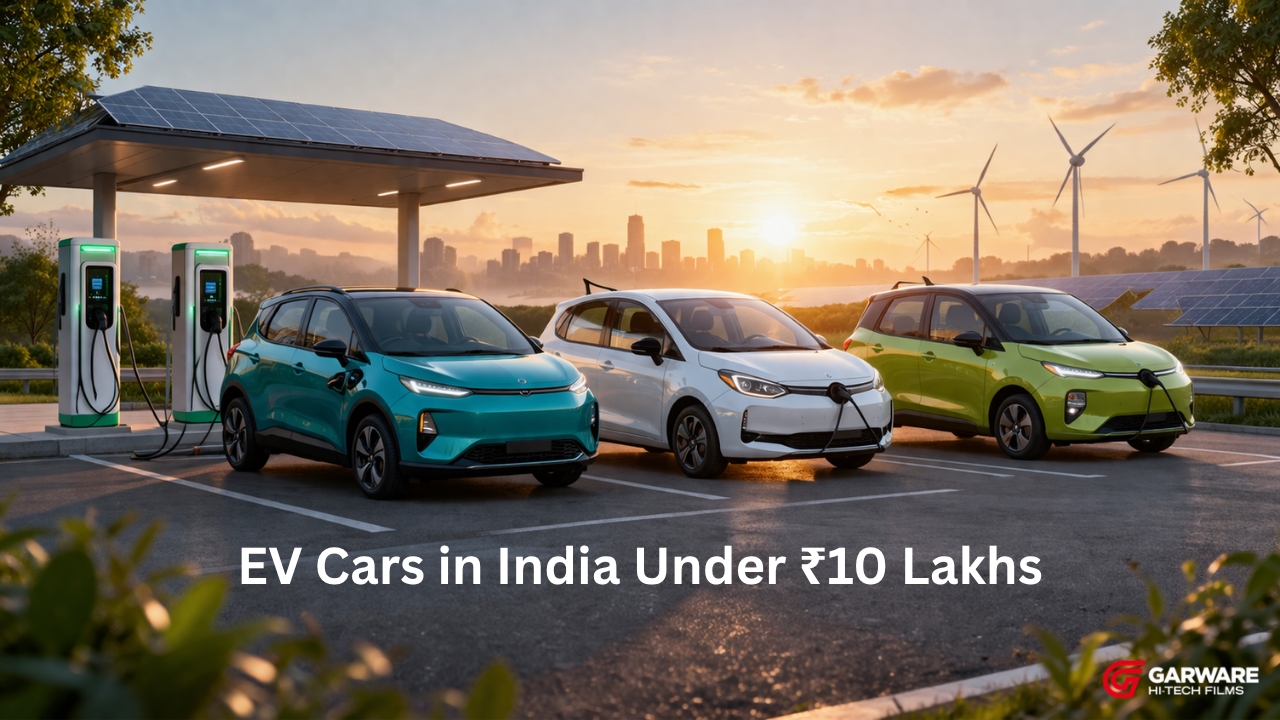
Rising fuel prices and growing environmental concerns are driving a significant shift toward sustainable mobility across the country. If you are exploring EV cars in India under 10 lakhs, you will find several options available this season for practical daily use. The market for electric cars in India under 10 lakhs has expanded significantly, making ownership more accessible than ever before for first-time buyers. Government incentives and substantially lower running costs further encourage this transition for urban commuters seeking economic value. Several entry-level electric cars are now available under ₹10 lakh, offering practical range and modern features without breaking the bank.
This guide helps you navigate the best choices for budget-conscious buyers looking to switch to electric mobility in 2026 while maximizing long-term savings.
Best EV Cars in India Under ₹10 Lakhs – Quick Answer
As of 2026, only 3–4 electric cars in India truly fall under ₹10 lakh, making this a limited but fast-growing segment. The most affordable electric cars in India under ₹10 lakhs include:
-
MG Comet EV
-
Tata Tiago EV
-
Tata Punch EV (Base Variants)
These EVs offer 160 to 315 km range, home charging compatibility, and running costs of ₹1 to ₹1.5 per km compared to ₹6 to ₹8 per km for petrol cars.
Which EV Car Should You Choose Under ₹10 Lakh in India?
Choosing the right electric car depends on your driving needs, budget, and daily usage. Here’s a quick comparison to help you decide:
|
Use Case |
Best EV |
Why It Fits |
|
City commuting |
MG Comet EV |
Compact size, easy parking, ideal for traffic |
|
Balanced daily use |
Tata Tiago EV |
Good range, practical, suitable as primary car |
|
SUV preference |
Tata Punch EV (Base) |
Higher ground clearance, strong road presence |
|
Budget buyer |
PMV EaS-E |
Lowest price, best for short commutes |
For Pure City Driving: MG Comet EV
If your daily commute involves short distances and heavy traffic, the MG Comet EV is the most convenient choice. Its compact footprint and tight turning radius make it perfect for urban environments.
For a Balanced All-Rounder: Tata Tiago EV
The Tata Tiago EV offers the best mix of range, practicality, and features. It’s suitable as a primary car for both city driving and occasional highway use.
For SUV Feel & Higher Ground Clearance: Tata Punch EV (Base Variant)
If you prefer an SUV stance with better road presence, the Punch EV is a strong option. However, only the base variant fits under ₹10 lakh.
For the Lowest Budget Option: PMV EaS-E
The PMV EaS-E is ideal for budget-conscious buyers. It works best for short city commutes and as a secondary vehicle.
EV Cars Under ₹10 Lakh in India: Price, Range & Battery Comparison
To help you compare the top contenders quickly, we have compiled a summary table of the most popular electric cars under 10 lakh in India. This overview covers pricing, range, and battery specifications for each model among the best ev cars under 10 lakh.
|
Car |
Price (Ex-Showroom) |
Range (ARAI) |
Battery |
Charging Time |
|
MG Comet EV |
₹7.98 – ₹9.98 Lakh |
230 km |
17.3 kWh |
7 hours (7.2 kW AC) |
|
Tata Tiago EV |
₹7.99 – ₹9.99 Lakh |
250 – 315 km |
19.2 – 24 kWh |
8.7 hours AC, 57 min DC |
|
Tata Punch EV (Base Variants) |
₹9.99 – ₹14.4 Lakh* |
315 – 421 km |
25 – 35 kWh |
~9.4 hours AC, ~56 min DC |
|
PMV EaS-E |
₹4.79 – ₹6.99 Lakh |
160 km |
9.6 – 13.5 kWh |
6-7 hours (home charge) |
Only the base variant of Tata Punch EV falls under ₹10 lakh. Most variants exceed this budget.
Which is the Cheapest Electric Car in India Under ₹10 Lakhs?
The PMV EaS-E holds the position of the most affordable option among low-cost electric cars in India. Priced from ₹4.79 lakh ex-showroom, it targets buyers seeking entry-level electric cars in India for short urban commutes.
Key Specifications:
-
Range: 160 km (ARAI certified)
-
Battery: 9.6 kWh or 13.5 kWh options
-
Motor: 13.4 kW electric motor
-
Charging: Standard home socket compatible
Ideal Use Case:
The EaS-E is designed for micro mobility. It suits daily commutes under 80 km, second-car households, or commercial last-mile delivery. Its compact footprint simplifies parking in congested areas.
What Is the Real-World Range of Electric Cars Under ₹10 Lakhs?
Understanding real-world range is critical for budget electric vehicles Indiabuyers. Claimed ARAI figures often differ from actual usage due to driving style, terrain, and climate.
Real-World Range Estimates:
|
Model |
ARAI Range |
Expected Real-World Range |
City Efficiency |
|
MG Comet EV |
230 km |
180 – 200 km |
5.5 – 6 km/kWh |
|
Tata Tiago EV (Long Range) |
315 km |
240 – 270 km |
6 – 6.5 km/kWh |
|
Tata Punch EV (Base Variants) |
315 - 421 km |
260 – 340 km |
5 – 5.8 km/kWh |
|
PMV EaS-E |
160 km |
120 – 140 km |
4.5 – 5 km/kWh |
Factors Affecting Range:
-
Air conditioning usage reduces range by 10% to 15%
-
Highway speeds above 60 km/h increase energy consumption
-
Regenerative braking recovers 10% to 20% energy in city traffic
Detailed Review: Best EV Cars Under ₹10 Lakh in India
MG Comet EV Review: Price, Range, Battery & Features
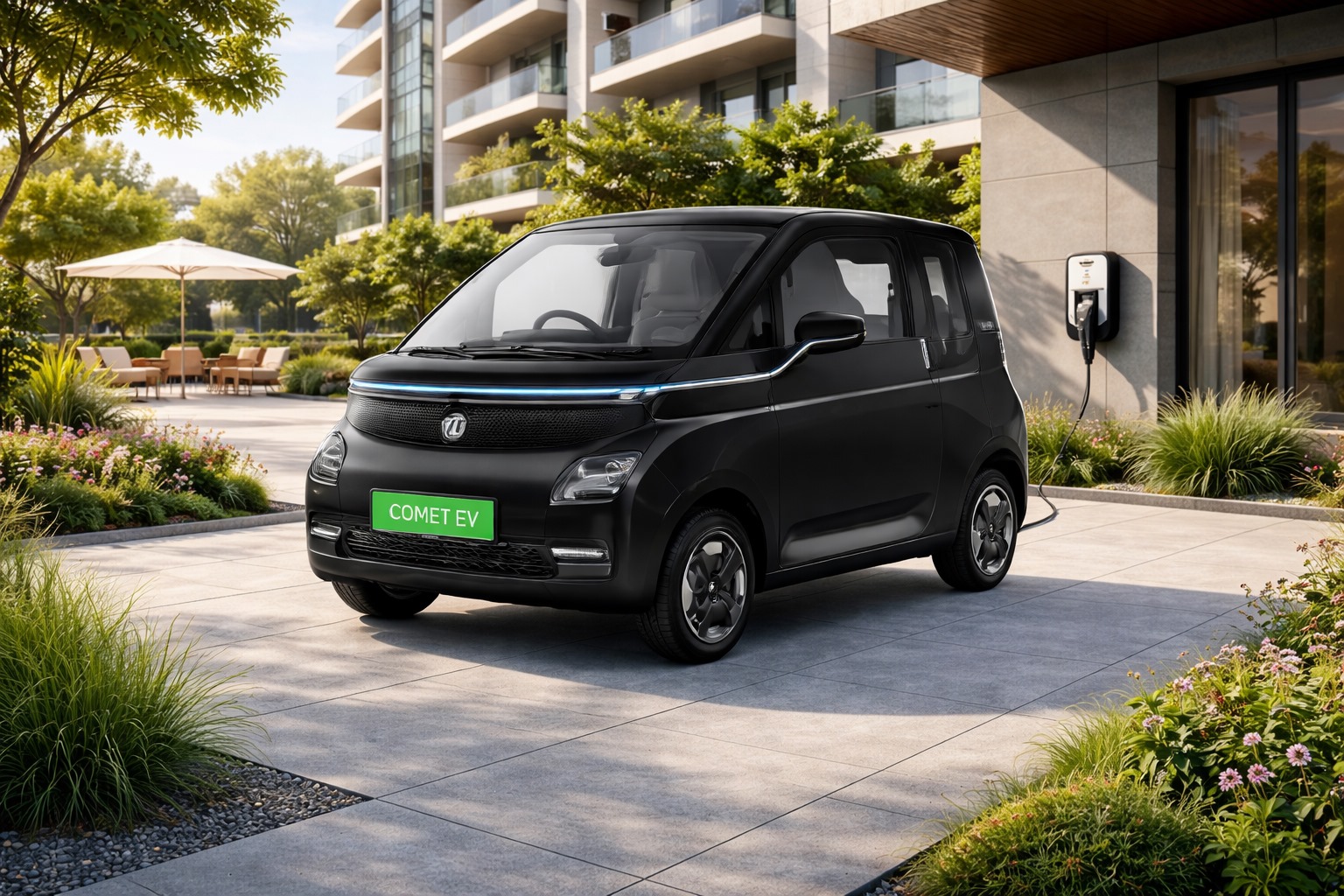
The MG Comet EV is a purpose-built electric hatchback designed specifically for urban environments. It stands out as one of the most refined small electric cars in India.
Price: ₹7.98 Lakh – ₹9.98 Lakh (Ex-Showroom)
Range: 230 km (ARAI Certified)
Battery: 17.3 kWh Lithium-ion
Key Features:
The Comet offers a premium interior with dual 10.25-inch screens, wireless Android Auto, and connected car tech. It includes Level 2 ADAS in higher variants, which is rare in this segment.
Ideal Usage:
This vehicle is best suited for city commutes under 150 km per day. The compact size makes parking easy, while the refined cabin offers comfort comparable to higher segments. Home charging is recommended for maximum convenience.
Tata Tiago EV Review: Price, Range, Battery & Charging Time
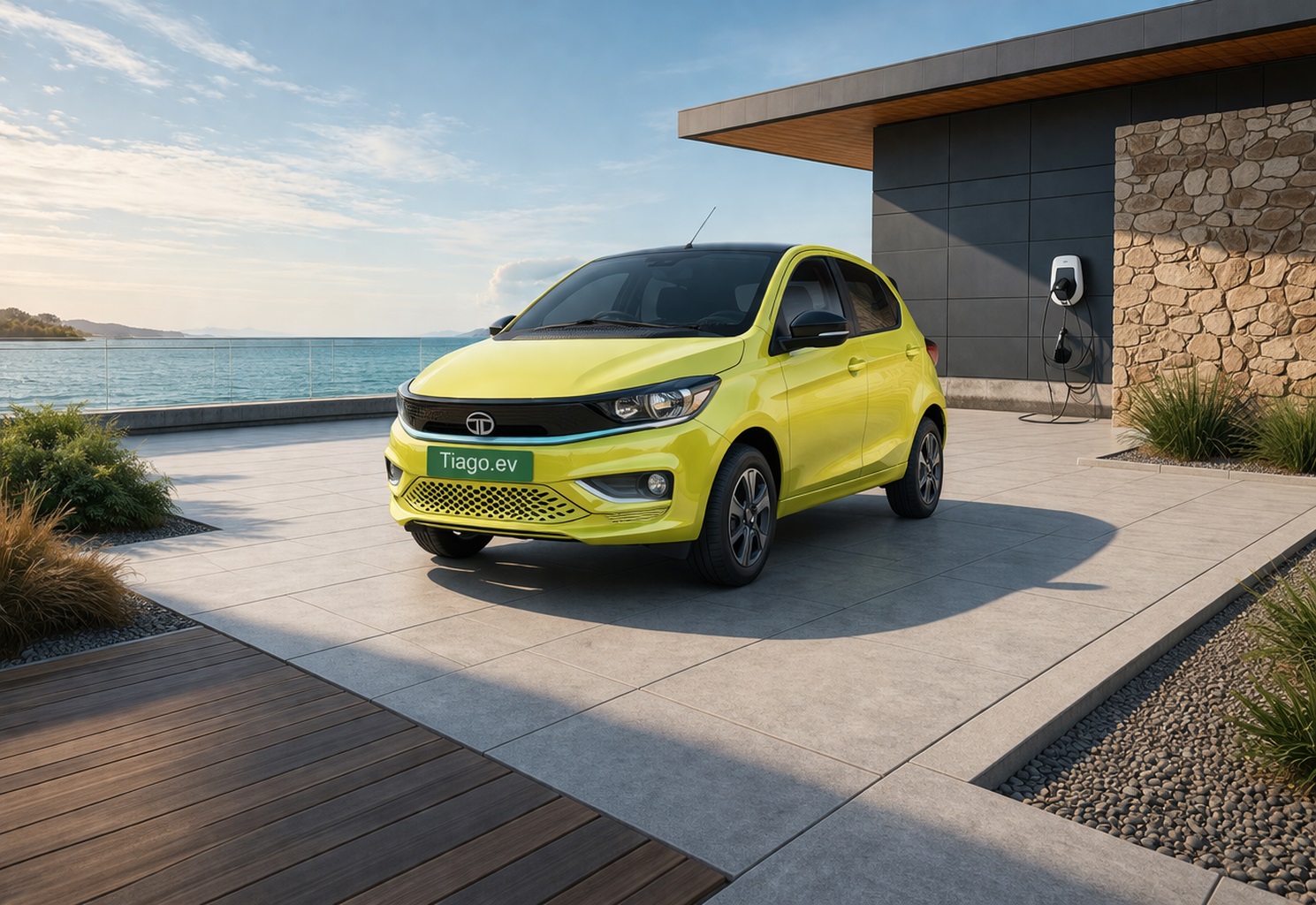
The Tata Tiago EV brings electric mobility to the mass market with the trust of India's leading EV manufacturer. It is a strong contender among electric cars under 10 lakh in India.
Price: ₹7.99 Lakh – ₹9.99 Lakh (Ex-Showroom)
Range: 250 km (Medium Range) – 315 km (Long Range)
Battery: 19.2 kWh – 24 kWh
Key Features:
Highlights include a revotron electric motor, drive modes (Eco, City, Sport), and a comprehensive safety suite with multiple airbags. The interior quality matches the petrol variant, ensuring familiarity for upgraders.
Charging Time:
A full charge takes approximately 8.7 hours using a 7.2 kW AC charger. DC fast charging is available on higher variants, allowing a 10% to 80% charge in about 57 minutes.
Ideal Usage:
The Tiago EV suits buyers who need occasional highway capability alongside city driving. The long-range variant offers flexibility for weekend trips without frequent charging stops.
Tata Punch EV Review (Base Variant): Price, Range, Battery & Features
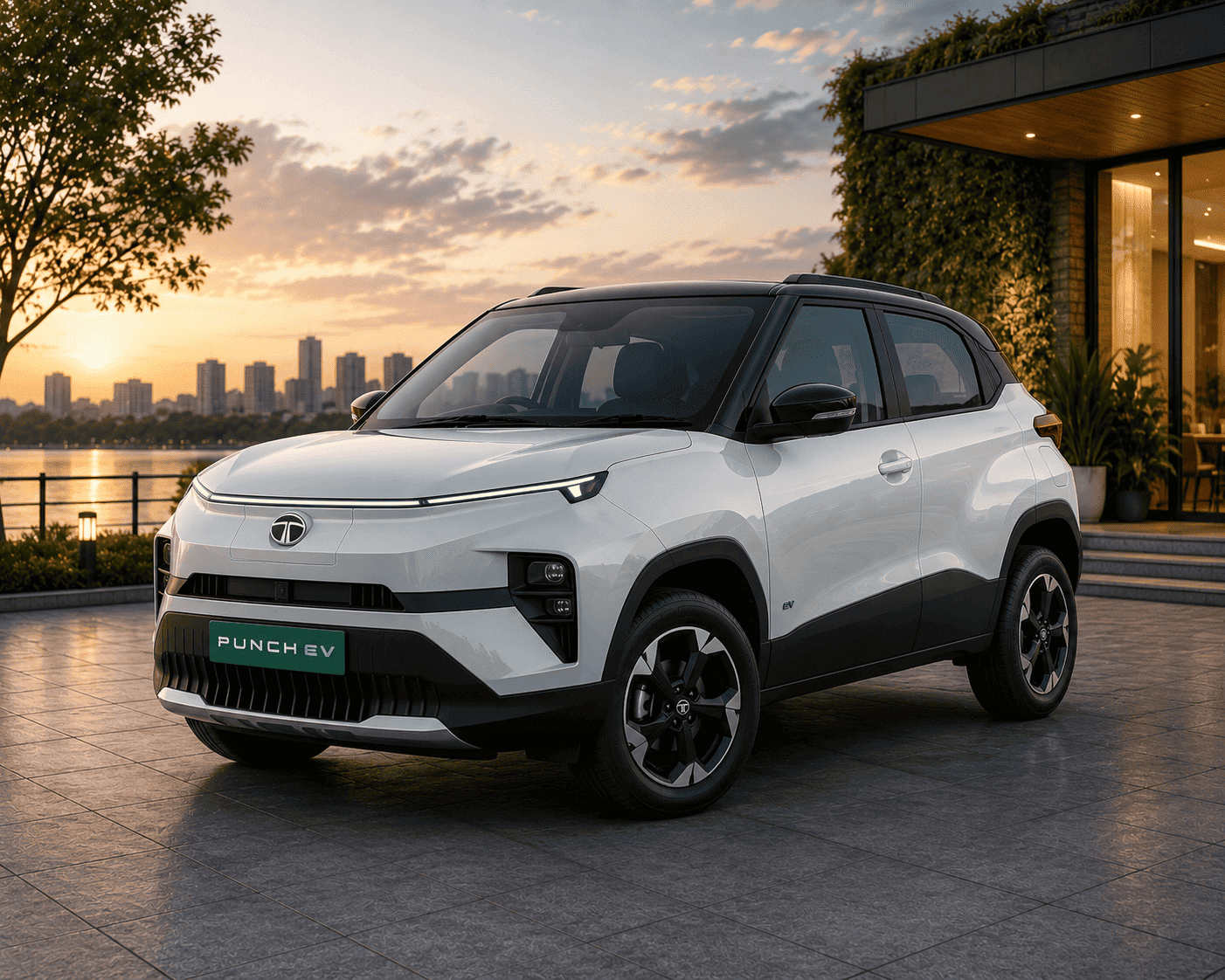
The Tata Punch EV is a compact electric SUV designed for buyers who want a higher driving position, stronger road presence, and greater versatility than entry-level hatchbacks. It stands out as the only SUV-style electric car that starts just under ₹10 lakh in India.
Price: ₹9.99 Lakh – ₹14.4 Lakh (Ex-Showroom)
Range: 315 – 421 km (ARAI Certified)
Battery: 25 kWh – 35 kWh Lithium-ion
Key Features:
The Punch EV offers a feature-rich cabin with a 10.25-inch touchscreen infotainment system, digital instrument cluster, wireless connectivity, and multiple drive modes with regenerative braking. Higher variants also include fast charging capability and enhanced safety features, making it one of the most advanced options in this segment.
Ideal Usage:
This vehicle is best suited for buyers who want a balance of city driving and occasional highway use. The higher ground clearance and SUV stance make it more adaptable to varied road conditions, while the larger battery options provide better flexibility for longer commutes. Home charging combined with occasional fast charging makes ownership more convenient.
PMV EaS-E Review: Cheapest EV in India – Price, Range & Specs

The PMV EaS-E focuses on ultra-affordability, targeting buyers looking for the most accessible entry point into electric mobility. It defines the category of entry-level electric cars in India.
Price: ₹4.79 Lakh – ₹6.99 Lakh (Ex-Showroom)
Range: 160 km (ARAI Certified)
Battery: 9.6 kWh – 13.5 kWh
Key Features:
This micro mobility concept features a compact footprint, digital instrument cluster, and basic connectivity. It prioritises function over luxury to keep costs minimal.
Ideal Usage:
The EaS-E is ideal for short daily commutes under 100 km. It serves well as a second car for households or for business use in city limits, where range anxiety is minimal.
EV vs Petrol Running Cost in India: Cost Per Km Comparison
Understanding the financial benefit requires a clear comparison of running expenses. This table highlights the cost difference between electric cars in India under 10 lakhs and their petrol counterparts.
|
Fuel Type |
Energy Cost |
Efficiency |
Cost Per Km |
Monthly Cost (1000 km) |
|
Electric (Home Charging) |
₹8 per kWh |
6 km per kWh |
₹1.33 |
₹1,330 |
|
Electric (Public DC Fast) |
₹15 per kWh |
6 km per kWh |
₹2.50 |
₹2,500 |
|
Petrol |
₹100 per Litre |
18 km per Litre |
₹5.55 |
₹5,550 |
|
CNG |
₹75 per Kg |
26 km per Kg |
₹2.88 |
₹2,880 |
Key Data Points:
-
EV running cost: ₹1 to ₹1.5 per km with home charging
-
Petrol car running cost: ₹6 to ₹8 per km
-
EV sales growth in India: 40 to 50% year-on-year
-
Maintenance savings: EVs require 30 to 40% lower service costs
Analysis:
Charging at home offers the maximum savings, reducing fuel costs by approximately 75% compared to petrol. Even public charging remains cheaper than petrol, though savings are reduced. Maintenance costs for EVs are also lower due to fewer moving parts.
Are EV Cars Under ₹10 Lakh Worth It in 2026? Pros & Cons
For urban commuters, the answer is a strong yes. The best EV cars under 10 lakh offer substantial long-term savings through lower fuel and maintenance costs. Government support and improving infrastructure make this segment increasingly viable.
Pros:
-
Running costs 70% to 80% lower than petrol
-
Zero emissions contribute to cleaner city air
-
Instant torque improves the city driving experience
-
Lower maintenance due to fewer moving parts
Considerations:
-
Range anxiety for inter-city travel without planning
-
Home charging access is critical for convenience
-
Resale market for budget EVs is still developing
Verdict:
If your daily commute is under 150 km and you can charge at home, an EV under ₹10 lakh delivers superior economic value over a five-year ownership period.
EV Buying Guide Under ₹10 Lakh: Key Factors to Consider
Purchasing one of the affordable electric cars in India requires careful planning to ensure it fits your lifestyle. Here are key factors to evaluate before making a decision.
Range Requirement
Assess your daily driving distance. A 200 km real-world range is sufficient for city use but may require planning for inter-city travel.
Charging Infrastructure
Verify if you can install a home charger. Access to private charging is crucial for convenience and cost savings. Check public charging availability in your area.
Battery Warranty
Most manufacturers offer an 8-year or 1.6 lakh km warranty on the battery. Ensure you understand the terms regarding degradation and replacement.
Resale Value
The EV resale market is still maturing. Consider keeping the vehicle longer to maximise cost savings rather than frequent upgrades.
Usage Pattern
If you frequently drive long distances without charging access, a hybrid or petrol vehicle might be more suitable. EVs excel in predictable, routine driving cycles.
How to Protect Your EV’s Paint and Exterior from Damage
Once you have selected your vehicle from the list of ev cars in India under 10 lakhs, protecting its exterior should be a priority. Fresh paintwork is vulnerable to stone chips, road debris, and environmental damage, especially during the initial months of ownership. Applying a high-quality Paint Protection Film creates an invisible shield that preserves the resale value and showroom finish of your car. For buyers in India, Garware Hi-Tech Films offers a trusted, homegrown solution with durable PPF options designed to withstand local road and climate conditions. Whether you opt for the compact MG Comet or the practical Tata Tiago EV, investing in reliable paint protection ensures your new vehicle stays pristine for years to come.
EV Buying Guide Under ₹10 Lakh: Key Factors to Consider
The affordable EV segment is growing fast with more options improving every year. These vehicles are ideal for urban mobility where daily distances are predictable and charging access is available. We encourage readers to compare range, price, and features before choosing the right model. As infrastructure expands, electric cars under 10 lakh in India will become even more practical for a wider audience. Start by evaluating your daily commute and charging capabilities to make the best switch to electric mobility.
FAQs About EV Cars Under ₹10 Lakh in India
1. Which is the best EV car under 10 lakh in India?
The Tata Tiago EV is widely considered the best electric car under ₹10 lakh due to its long driving range, safety features, and strong service network. The MG Comet EV is another good option for urban commuting.
2. Which is the cheapest electric car in India?
The PMV EaS-E is the most affordable option, starting from ₹4.79 lakh ex-showroom, though it is categorised as a micro mobility vehicle rather than a standard passenger car.
3. What is the real-world range of budget EVs?
Real-world range is typically 80 to 90% of the ARAI-certified figure. For example, a 250 km certified range may deliver 200 to 225 km in mixed city conditions.
4. How much does it cost to charge an EV at home?
Home charging typically costs between ₹100 to ₹200 for a full charge, depending on local electricity tariffs and battery size. This translates to ₹1 to ₹1.5 per km.
5. Do budget EVs support fast charging?
Most entry-level electric cars support AC charging as standard. DC fast charging is often available only in higher variants or as an optional extra.
6. Is it worth buying an EV for city driving only?
Yes, city driving maximises EV efficiency due to regenerative braking. Low-speed traffic benefits from instant torque and zero fuel idling costs.
7. Where can I find the latest updates on upcoming EV cars under 10 lakhs?
Official manufacturer announcements and automotive news portals provide the latest car sales data in India and launch updates for new budget electric vehicles in India.
8. Which EV has the lowest running cost in India?
The PMV EaS-E has the lowest running cost overall. Among mainstream cars, the MG Comet EV and Tata Tiago EV offer the best efficiency at around ₹1–₹1.5/km.
9. Is Tata Punch EV worth buying under ₹10 lakh?
Yes, the Tata Punch EV (base variant) is worth it for its SUV stance, higher ground clearance, and better range (~315 km).