
Purchasing a car in India is more than a transaction; it is a strategic financial decision where timing directly influences cost, value, and long-term satisfaction. The difference between buying at the right moment and the wrong one can amount to tens of thousands of rupees in avoidable expenses.
Automakers and dealerships operate on predictable cycles. Sales targets, fiscal calendars, festive demand, and model transitions create recurring windows of opportunity for informed buyers. Understanding these patterns will allow you to secure deeper discounts, better financing, and added benefits, without compromising on choice or quality.
This comprehensive guide analyzes the most advantageous times to buy a car in India in 2025, with a focus on festive season offers, year-end clearance deals, and financial year-end incentives. We go beyond surface-level advice, incorporating real market dynamics, dealer behavior, and consumer trends to help you make a smarter, more cost-effective purchase.
Festive Season Offers: Diwali, Navratri & Gudi Padwa (October–November 2025)
The festive season in India, spanning from Navratri through Diwali, is one of the most aggressive sales periods in the automotive calendar. Dealerships and manufacturers launch coordinated campaigns to capitalize on cultural sentiment, auspicious timing, and year-end revenue goals.
During this period, buyers can expect:
-
Direct price discounts of ₹30,000 to ₹60,000 on popular models
-
Free accessories, extended warranties, and insurance packages
-
Exchange bonuses of ₹20,000 to ₹50,000 for old vehicle trade-ins
-
Low-interest car loans through OEM-financial institution partnerships
Diwali Car Offers 2025: What to Expect
Diwali remains the most significant promotional window. Automakers such as Maruti Suzuki, Hyundai, Tata Motors, and Kia typically announce “Festival Special” schemes in late September or early October. These include:
-
Subvented interest rates as low as 7.5% for select models
-
Zero down payment options for pre-approved customers
-
Free registration, FASTag, and roadside assistance
For example, in 2024, Maruti offered up to ₹55,000 in total benefits during Diwali, including a ₹30,000 exchange bonus and 3 years of free maintenance. Expect similar or improved offers in Diwali 2025.
Regional Festivals Drive Local Deals
Regional festivals also trigger targeted promotions:
-
Gudi Padwa (March–April): Maharashtra-based dealers regularly offer exclusive cashbacks on Maruti and Tata models.
-
Navratri (October): Gujarat and Rajasthan showrooms run special campaigns with free servicing and extended warranties.
-
Durga Puja, Onam, Pongal: Local dealerships in West Bengal, Kerala, and Tamil Nadu provide bundled offers to boost footfall.
These regional incentives are often underreported but can yield substantial savings for buyers who time their visits accordingly.
Year-End Car Discounts: December 2025 – The Ultimate Clearance Window
While Diwali brings festive appeal, December is when dealerships become most aggressive in clearing inventory. This is the peak of year-end car discounts, driven by three key factors:
-
Sales target pressure: Dealers must meet annual quotas to qualify for OEM incentives.
-
Inventory turnover: Outgoing 2025 models must be cleared before January price revisions.
New model launches: Automakers prepare for
-
2026 model introductions, accelerating clearance of current stock.
Why December Offers Are Often Deeper
-
Higher negotiation leverage: Sales managers are authorized to approve deeper discounts to close deals.
-
Corporate and fleet deals trickle down: Bulk purchase schemes become accessible to retail buyers through employee referral programs.
-
On-road price absorption: Many dealers absorb RTO, insurance, and registration costs to reduce the effective purchase price.
-
Extended exchange bonuses: Diwali-era trade-in incentives are often prolonged into December.
For instance, in December 2024, Hyundai offered up to ₹75,000 off on the Creta, including a ₹40,000 cash discount and ₹35,000 exchange benefit. Similar or improved deals are expected in December 2025.
Buyers who wait until the last two weeks of December often secure the best deals, as dealers rush to close their books for the year.
Financial Year-End (March 2025): Tax Planning and Sales Push
March is another critical window, particularly for business owners, self-employed individuals, and fleet buyers. As the financial year concludes, companies look to capitalize on tax deductions under Section 32 (depreciation) and Section 36 (business expenses).
Key Advantages of Buying in March
-
Tax write-offs: Businesses can claim full or partial depreciation on vehicle purchases.
-
Dealer urgency: Sales teams face dual pressure—monthly and annual targets—leading to flexible pricing.
-
Clearance of pre-facelift models: Before April model updates, automakers discount outgoing versions.
-
Loyalty and repeat customer benefits: Existing owners may receive additional ₹10,000–₹25,000 incentives.
Unlike festive season deals, March offers are less about freebies and more about real price reductions and financing advantages. While discounts may not be as heavily marketed, they are often more negotiable.
New Model Launches vs. Pre-Facelift Clearance: Strategic Timing
Many buyers assume that the launch of a new model means higher prices. In reality, the period immediately before a new launch is ideal for securing discounts on outgoing versions.
Automakers typically:
-
Reduce prices of pre-facelift models by 5–10%
-
Bundle free maintenance, insurance, or accessories
-
Offer early-bird financing rates
For example, ahead of the 2024 Brezza facelift, Maruti offered ₹40,000 in total benefits on the outgoing model. A similar strategy is expected in 2025 across brands like Tata (Punch, Nexon), Hyundai (i20, Creta), and Kia (Sonet).
This makes the car-buying season in India not just a calendar event, but a product lifecycle opportunity.
Comparative Analysis: Festive Season vs. Year-End vs. March
FACTOR |
FESTIVE SEASON (OCT-NOV) |
YEAR-END (DEC) |
FINANCIAL YEAR END (MAR) |
Average Discount |
₹30,000–₹60,000 |
₹40,000–₹80,000 |
₹35,000–₹70,000 |
Financing Rates |
7.5%–8.5% |
7.7%–8.7% |
7.4%–8.2% |
Freebies & Bonuses |
High (accessories, gold, insurance) |
Moderate |
Low |
Negotiation Power |
Medium |
High |
High |
Best For |
Quick delivery, gifting, festive joy |
Maximum savings, deep discounts |
Tax planning, business buyers |
Verdict:
-
Diwali offers the best bundle of benefits and fastest delivery.
-
December delivers the lowest effective price due to clearance urgency.
-
March suits business buyers and those seeking tax advantages.
Expert Tips for Timing Your Car Purchase
To maximize savings and value, follow these proven strategies:
-
Start Research Early: Begin in August–September to track Diwali offer announcements and compare dealer quotes.
-
Visit Dealerships at Month-End: Sales teams are under pressure to meet targets, increasing your bargaining power.
-
Compare On-Road Prices: Focus on total cost, not just ex-showroom discounts. Include RTO, insurance, and handling fees.
-
Leverage Exchange Offers: Even without a car to trade, some dealers allow “notional exchange” benefits.
-
Delay RTO Registration if Needed: If a tax hike is expected in April, consider booking in March and registering in April to avoid a last-minute rush.
-
Avoid Monsoon Purchases: While some dealers offer monsoon discounts, low demand often reflects poor vehicle performance in the rain.
Protect Your New Car Purchase with Paint Protection Film (PPF)
Securing a great deal during Diwali 2025 or December year-end clearance is only the first step in smart car ownership. Once you drive your new vehicle home, protecting its finish becomes just as important as getting the right price.
Urban driving, highway stone chips, bird droppings, tree sap, and UV exposure can all degrade your car’s paint over time, diminishing its appearance and resale value.
This is where Paint Protection Film (PPF) becomes a critical investment.
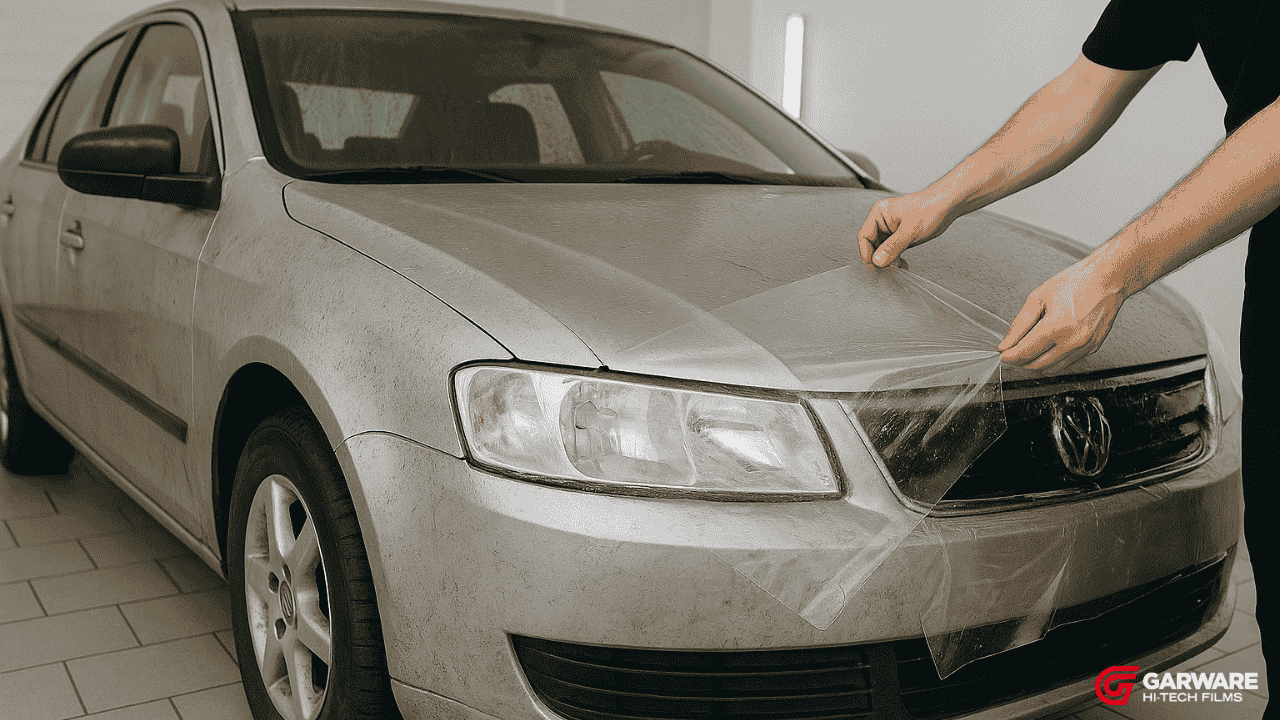
PPF is a transparent, high-performance Thermoplastic Polyurethane film applied to high-impact areas like the hood, fenders, bumpers, and side mirrors. It acts as an invisible shield, guarding against:
-
Scratches and swirl marks
-
Stone chips from roads
-
Chemical stains and corrosion
-
UV-induced paint fading
Why Choose Garware PPF?
Garware, a leader in automotive surface protection, offers advanced PPF solutions with:
-
Self-healing technology: Minor scratches disappear with heat exposure.
-
UV resistance: Prevents yellowing and maintains clarity for up to 10 years.
-
Optical clarity: Virtually invisible once applied.
-
Warranty-backed durability: Long-term protection with certified installation.
Applying PPF within the first few weeks of ownership ensures your car retains its showroom shine, especially if you frequently drive in cities or on highways. It’s a proactive step that preserves both aesthetic appeal and resale value, making it a smart complement to any discounted purchase.
Think of it this way: if you’ve saved ₹50,000 on your car, spending ₹15,000–₹25,000 on PPF is a cost-effective way to protect that savings over the next 5–7 years.
Conclusion: The Optimal Times to Buy a Car in India in 2025
The best time to buy a car in India is not a single date, but a strategic window defined by market cycles and consumer behavior.
-
For bundled benefits and festive joy, Diwali 2025 (October–November) is ideal.
-
For maximum savings and negotiation power, December 2025 offers the deepest discounts.
-
For tax planning and business needs, March 2025 provides financial advantages.
Each period has its strengths, but December 2025 stands out as the most cost-effective month due to aggressive inventory clearance and dealer incentives. By aligning your purchase with these cycles, you can save significantly while securing a high-value vehicle.
Smart timing, combined with informed negotiation, transforms a major expense into a strategic investment.
FAQs
-
Which month is best to buy a car in India?
The best month to buy a car in India is March, as dealers offer maximum discounts to meet annual sales targets and clear old stock before the new financial year. -
Is it better to buy a car at the end of the year in India?
Yes, buying at the end of the financial year (March) is ideal due to heavy discounts, exchange offers, and special financing deals from car manufacturers and dealers. -
Are car prices lower during Diwali or Dussehra?
Yes, car prices often come with added benefits during Diwali and Dussehra, including cashback, free accessories, and low-interest loans, making it a smart time to purchase. -
Do car dealers give discounts at the financial year-end?
Yes, car dealers frequently offer significant discounts and incentives in March to meet annual sales targets and clear inventory. -
Is December a good time to buy a car in India?
December can be good for festive deals, but the best discounts usually appear in March; however, some Diwali offers may still be available early in the month. -
Do prices drop for cars during the festive season?
Yes, car prices effectively drop during the festive season through special discounts, exchange bonuses, and attractive financing options offered by brands and dealers. -
When do car companies launch new models in India?
Car companies in India typically launch new models between January and March, making the year-end a great time to buy outgoing versions at reduced prices. -
Should I buy a car before or after the new year?
It’s better to buy before the new financial year (before April), as March brings heavy year-end discounts, while April may bring price hikes due to new models or taxes. -
What are the benefits of buying a car during Navratri or Diwali?
Buying during Navratri or Diwali offers benefits like cash discounts, zero down payment schemes, free insurance, extended warranties, and complimentary accessories. -
Is it cheaper to buy a car in March or April in India?
Yes, it’s cheaper to buy a car in March due to year-end clearance sales, while April often sees price increases from new models, taxes, or registration changes.