
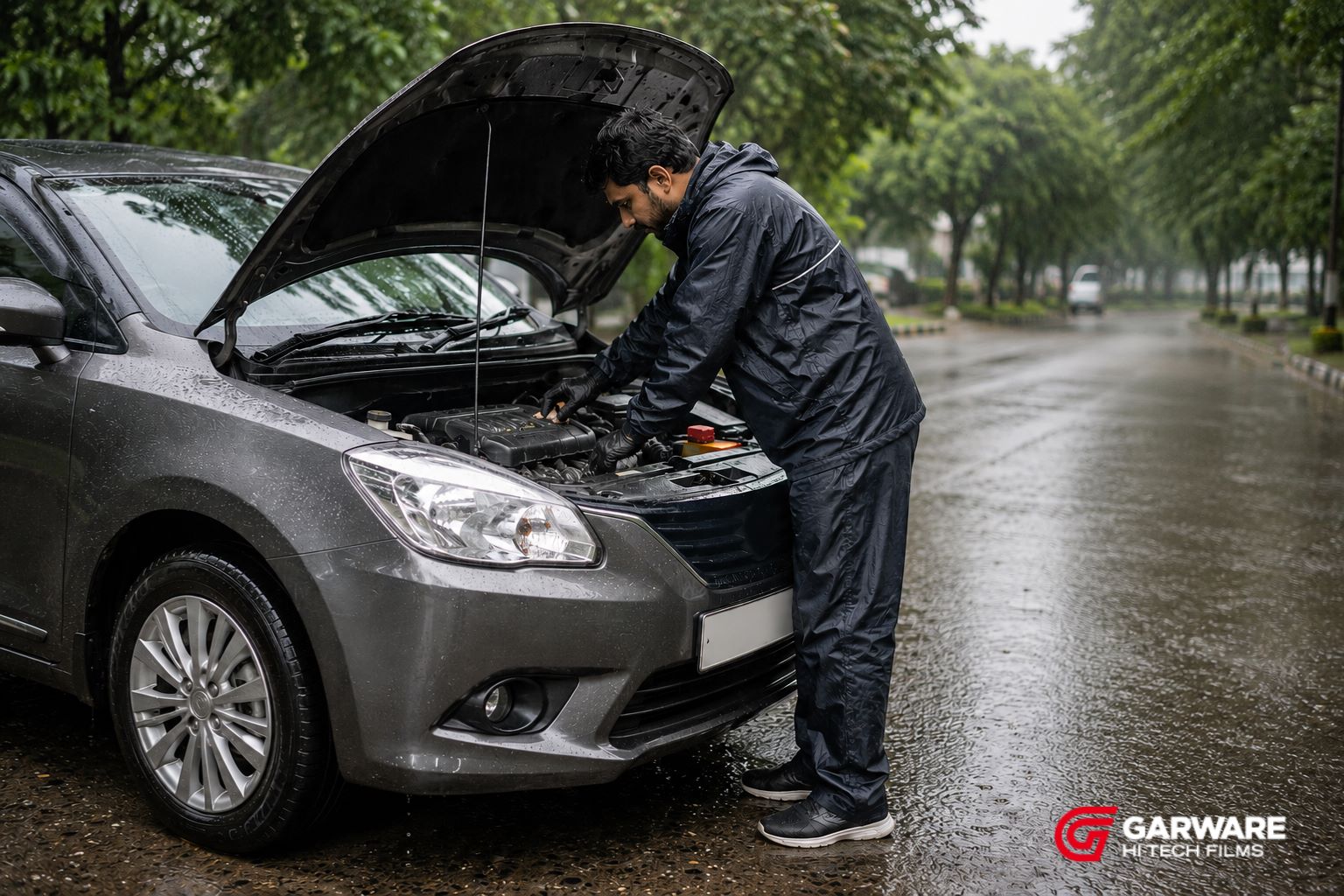
Monsoon weather can make driving much more challenging. Waterlogged roads, hidden potholes, and sudden spells of heavy rain often create difficult conditions for vehicle owners. This makes car preparation for the monsoon an important step before the rainy season starts.
Many drivers ignore small maintenance issues until they become bigger problems. Worn wipers, weak brakes, or unexpected breakdowns during heavy rain can quickly disrupt a journey. Taking some time to inspect the vehicle before the monsoon can help improve safety, reduce the risk of trouble on the road, and keep the car running smoothly through the season.
This guide covers the key checks, precautions, and monsoon car care tips that can help your vehicle handle monsoon conditions more effectively.
Quick Answer: How to Prepare Your Car for Monsoon in India
Good car preparation for the monsoon can prevent many common problems that drivers face during the rainy season. Checking tyres, brakes, wipers, lights, battery condition, and underbody protection before the rains begin can make a noticeable difference on the road. These simple monsoon car care tips, along with carrying a basic emergency kit and driving carefully in wet conditions, can help improve visibility, lower the risk of breakdowns, and make monsoon journeys safer.
Why Preparing Your Car for Monsoon Is Important
Driving during the monsoon is very different from driving in normal weather. Constant rain, high humidity, muddy roads, potholes, and waterlogged stretches can put extra strain on different parts of your vehicle, making car safety tips in the rainy season in India more relevant than ever.
Anyone who has driven through heavy rain knows that the car does not behave quite the same way. Road grip can be reduced, braking may feel less predictable, and moisture can sometimes cause electrical issues that appear without warning.
Other vehicle systems can be affected too. Air filters may collect moisture and dirt, while steering and suspension components often face added stress from potholes hidden under rainwater.
Ignoring these risks can lead to expensive repairs. Water entering the engine, damaged electrical parts, towing costs, and flood-related repairs can quickly increase maintenance expenses. Insurance may cover some situations, though not every type of damage is included.
Many drivers have experienced getting stuck in slow-moving traffic during heavy rain, only to find their vehicle refusing to move in a flooded area. In many cases, a few simple checks before the monsoon could have helped avoid the problem.
Following a proper vehicle maintenance guide before the rainy season begins can protect not only the vehicle but also the safety of drivers, passengers, and pedestrians.
Pre-Monsoon Car Inspection Checklist
The monsoon season puts extra demands on a vehicle. Following a Pre-Monsoon Car Inspection Checklist and checking a few important components before the rains arrive is always a good idea.
Check Wipers, Windshield & Defogger for Clear Visibility
Clear visibility becomes critical during heavy rainfall. The following components deserve special attention:
-
Change the wiper blades if they are leaving marks on the windshield or not clearing water properly.
-
Keep the windshield clean and consider using a rain-repellent coating.
-
Make sure the defogger and air conditioner are working properly to help keep the glass clear during rainy weather.
Proper visibility remains one of the most important rainy season car safety tips.
A well-maintained visibility system improves confidence and reaction time during adverse weather.
Tyre Check: Tread Depth, Pressure & Road Grip
The tyres are the only part of the car that stays in contact with the road, so keeping them in good condition is especially important during the monsoon.
-
Make sure the tyre tread depth is at least 2–3 mm.
-
Check the tyre pressure and keep it in line with the manufacturer's recommendation.
-
Get the wheels aligned and balanced if you notice uneven tyre wear.
Good tyre condition is essential when learning how to prepare a car for the rainy season effectively.
Keeping your tyres in good shape helps improve road grip when the surface is wet.
Brake Inspection: Pads, Discs & ABS Performance
Brakes can feel less effective on wet roads, so it is important to have them checked before the monsoon.
-
Inspect brake pads, discs, and brake fluid levels.
-
Verify that the ABS system functions correctly.
-
Watch for warning signs such as squealing noises, vibrations, or delayed braking response.
Reliable brakes are among the most important car maintenance tips for the monsoon.
Battery & Electrical System Check for Rainy Season
Rain and moisture can sometimes bring hidden electrical problems to the surface.
-
Check the battery charge and make sure the terminals are clean and secure.
-
Test the headlights, indicators, brake lights, and hazard lights.
-
Look for any signs of damage or wear in the wiring.
A well-maintained electrical system is less likely to cause trouble during heavy rain.
Engine Oil, Coolant & Fluid Check for Monsoon
Keeping fluids and filters in good condition helps the engine perform smoothly during the monsoon.
-
Check the condition of the engine oil.
-
Inspect the coolant and brake fluid levels.
-
Replace dirty air filters, as moisture can make them less effective.
These simple checks can go a long way in ensuring proper car care during the rainy season.
Underbody Protection & Anti-Rust Treatment for Monsoon
During the monsoon, the underbody is constantly exposed to water, mud, and dirt.
-
Apply an anti-rust treatment if needed.
-
Get the underbody cleaned before the monsoon starts.
-
Fix paint chips that leave metal exposed.
Looking after the car's exterior helps keep it in good condition for longer.
Paint Protection Film (PPF) for Monsoon: Benefits & Protection
For owners seeking additional protection, Paint Protection Film offers several advantages.
-
Helps protect the paint from mud, small stones, and minor scratches.
-
Acts as a layer between the paint and water, dirt, and other contaminants.
-
Helps maintain the car's shine and resale value.
-
Offers added protection to areas such as the bumpers, bonnet, and side panels.
-
Makes it easier to clean the car after driving through rain and mud.
PPF from Garware Hi-Tech Films can be particularly beneficial for vehicles that are regularly driven on highways or poorly maintained roads, helping protect the paint from everyday wear and road debris.
Interior Protection Tips to Prevent Dampness & Odour
The vehicle interior also requires attention during monsoon season.
-
Inspect door seals and window rubbers.
-
Use rubber floor mats instead of carpet mats.
-
Place moisture absorbers inside the cabin.
These rainy-season car maintenance tips help prevent unpleasant odours, mould growth, and interior damage.
Monsoon Car Emergency Kit: Must-Have Essentials for Rainy Season
Unexpected situations can occur even when a vehicle is well-maintained. Keeping an emergency kit inside will help you prepare your car for the monsoon.
Essential items include:
-
Torch with spare batteries
-
Jumper cables
-
First aid kit
-
Portable tyre inflator
-
Puncture repair kit
-
Umbrella or raincoat
-
Tow rope
-
Fully charged power bank
-
Emergency contact list
-
Offline GPS maps
A well-stocked emergency kit complements all other car care tips for the rainy season.
Monsoon Driving Tips in India: How to Drive Safely in Heavy Rain
Safe driving becomes just as important as vehicle maintenance during monsoon months.
Safe Driving Practices for Wet & Slippery Roads
The following habits can help you stay safer while driving in the rain:
-
Drive at a steady and controlled speed.
-
Keep a safe distance from the vehicle in front.
-
Use low-beam headlights to improve visibility.
Following these monsoon driving tips in India can help lower the risk of accidents during heavy rainfall.
What to Avoid While Driving in Rain
Certain driving habits become especially dangerous in wet conditions.
-
Avoid sudden braking.
-
Never enter water if the depth is unknown.
-
Avoid using cruise control during rainfall.
Following these precautions helps maintain better vehicle control.
How to Drive on Waterlogged Roads Safely
Waterlogged roads are a common sight in many Indian cities during the monsoon.
Avoid driving through water that is higher than the wheel hub. Fast-moving water can be risky, even if it does not look very deep.
Pay attention to other vehicles, road dividers, and kerbs to get a better sense of the water level. It is also important to stay within the water-wading limits recommended by the manufacturer, whether you drive an EV or a petrol/diesel vehicle.
Understanding safe water depth limits is a crucial part of learning how to maintain a car in the monsoon.
What to Do If Your Car Stalls in Flooded Water
A stalled vehicle in standing water requires immediate action.
-
Turn off the engine immediately.
-
Do not attempt to restart the vehicle.
-
Move the vehicle to a safer location if possible.
-
Contact roadside assistance.
-
Arrange a professional inspection before restarting.
Attempting to restart a flooded engine can lead to hydrolock and severe engine damage.
Post-Rain Car Care Checklist (After Driving in Rain)
Vehicle care should continue even after the rain stops.
-
Dry brakes by gently applying them while driving safely.
-
Clean the underbody to remove mud and contaminants.
-
Inspect carpets and seats for moisture.
-
Verify that electrical systems continue functioning properly.
Regular post-rain inspections help extend vehicle life and prevent long-term damage.
Does Car Insurance Cover Flood & Monsoon Damage in India?
What your insurance covers during the monsoon depends on your policy and any add-ons you have selected. The table below outlines some of the most common coverages.
|
Add-on Cover |
Benefit |
|
Engine Protect |
Covers hydrolock damage |
|
Roadside Assistance |
Towing and emergency help |
|
Zero Depreciation |
Better claim settlement |
|
Consumables Cover |
Covers fluids and consumables |
If your car is damaged during flooding, the extent of insurance coverage will depend on the policy you have purchased. In many cases, engine damage is covered only through an additional engine protection cover. It is also a good idea to take photographs of the damage, go through your policy documents, and complete a car inspection checklist for the rainy season before starting the claims process.
Knowing what your insurance covers before the monsoon can help avoid confusion later.
Common Monsoon Car Problems & How to Fix Them
The table below outlines some of the most common monsoon-related vehicle issues and their solutions.
|
Problem |
Cause |
Solution |
|
Foggy Windshield |
Humidity |
Use Defogger/AC |
|
Engine Stalling |
Water Entry |
Avoid Deep Water |
|
Brake Failure |
Wet Discs |
Dry Braking Technique |
|
Battery Issues |
Moisture Exposure |
Inspect Battery & Terminals |
|
Cabin Odor |
Damp Interiors |
Use Moisture Absorbers |
Catching these problems early can save both time and money. Pairing regular vehicle maintenance with preventive solutions from Garware Hi-Tech Films can further help improve driving comfort and visibility during the monsoon.
Conclusion: Monsoon Car Care Tips for Safe Driving in India
Monsoon driving in India requires good preparation, alertness, and regular vehicle maintenance. Taking a proactive approach to car preparation for the monsoon can help reduce the chances of breakdowns, improve your car’s performance, and make driving safer during heavy rains.
By following these monsoon car care tips, carrying out routine checks, and getting your car serviced on time, you can keep it running reliably throughout the season. Preventive maintenance is usually much more affordable than dealing with costly repairs later.
A little preparation before the monsoon sets in can help make every journey safer, smoother, and less stressful.
FAQs: Car Preparation for Monsoon in India
1. When should I prepare my car for the monsoon season in India?
It is best to prepare your car before the monsoon begins so that any issues can be identified and fixed in advance.
2. What are the most important checks before driving during the monsoon?
Check the tyres, brakes, wipers, battery, lights, and fluid levels to ensure the car is ready for wet conditions.
3. Is Paint Protection Film (PPF) useful during the rainy season?
Yes, PPF can help protect the paint from mud, road debris, and minor scratches that are common during the monsoon.
4. Is an anti-rust coating necessary for cars during the rainy season?
It can be beneficial, especially for vehicles frequently exposed to water, mud, or coastal weather conditions.
5. What should I do if my car stalls in a waterlogged area?
Avoid restarting the engine repeatedly and contact roadside assistance or a mechanic for help.
6. Can I drive my car through flooded roads during the monsoon?
It is safer to avoid flooded roads whenever possible, as water depth can be difficult to judge.
7. Does car insurance cover flood and water damage in India?
Coverage depends on your policy. Engine damage often requires an additional engine protection add-on.
8. How can I prevent my car from developing rust during the monsoon?
Wash the car regularly, keep it dry, and remove mud or standing water from the underbody whenever possible.
9. Are electric vehicles (EVs) safe to drive during heavy rain and waterlogging?
Most EVs are designed to handle rain, though driving through deep water should still be avoided.
10. How often should I service my car during the monsoon season?
Follow the manufacturer's schedule, but inspect your vehicle more frequently if you drive regularly in heavy rain.