
.png)
We often recognize a vehicle before we even see its name, identifying it purely by a badge or distinct silhouette. If you have ever wondered about the car logo history behind these iconic symbols, you are not alone. Understanding the car logos' meaning and the history of car logos allows us to uncover hidden stories and mythological symbolism. This guide explores famous car logos and their meanings, providing a complete breakdown of automotive logos explained. These emblems carry deep heritage and core philosophies that shaped the visual identity of car brands worldwide.
Famous Car Logos and Their Meanings: Quick Summary
To provide a quick overview of the most popular car logos and their meanings, here is a summary table highlighting the core symbolism of the top automotive brands for fast reference.
|
Brand |
Iconic Symbol |
Core Meaning and Origin |
|
Ferrari |
Prancing Horse |
A tribute to a First World War fighter ace and the color of Modena. |
|
Lamborghini |
Raging Bull |
The zodiac sign of the founder and a passion for bullfighting. |
|
BMW |
Blue and White Roundel |
The colors of the Bavarian flag, not an airplane propeller. |
|
Mercedes-Benz |
Three Pointed Star |
Universal motorization across land, sea, and air. |
|
Audi |
Four Interlocking Rings |
The 1932 merger of four independent German automakers. |
Why Car Logos Matter in Car Branding and Buyer Trust
In the world of automobiles, logos are not mere designs. They are legacies. These emblems capture the vision, values, and history of their creators. They evoke emotion, establish identity, and create instant trust. Famous car brands do not just make vehicles. They build reputations around these logos.
These popular car logos have become so deeply embedded in our culture that we instantly associate them with specific qualities. A three pointed star speaks of luxury and engineering excellence, while a prancing horse promises raw performance and Italian passion. This emotional connection is what makes logo symbolism in cars such a powerful marketing tool. Understanding the meaning behind car symbols allows enthusiasts to connect more deeply with the machines they drive.
The Hidden Meanings Behind Famous Car Logos
To truly understand automotive logos explained, we must dive into the origins of the most recognizable badges on the planet. Here is the detailed history and hidden meaning behind the most famous automotive emblems, broken down by their origins and key details.
Ferrari Logo Meaning: Story Behind the Prancing Horse
-
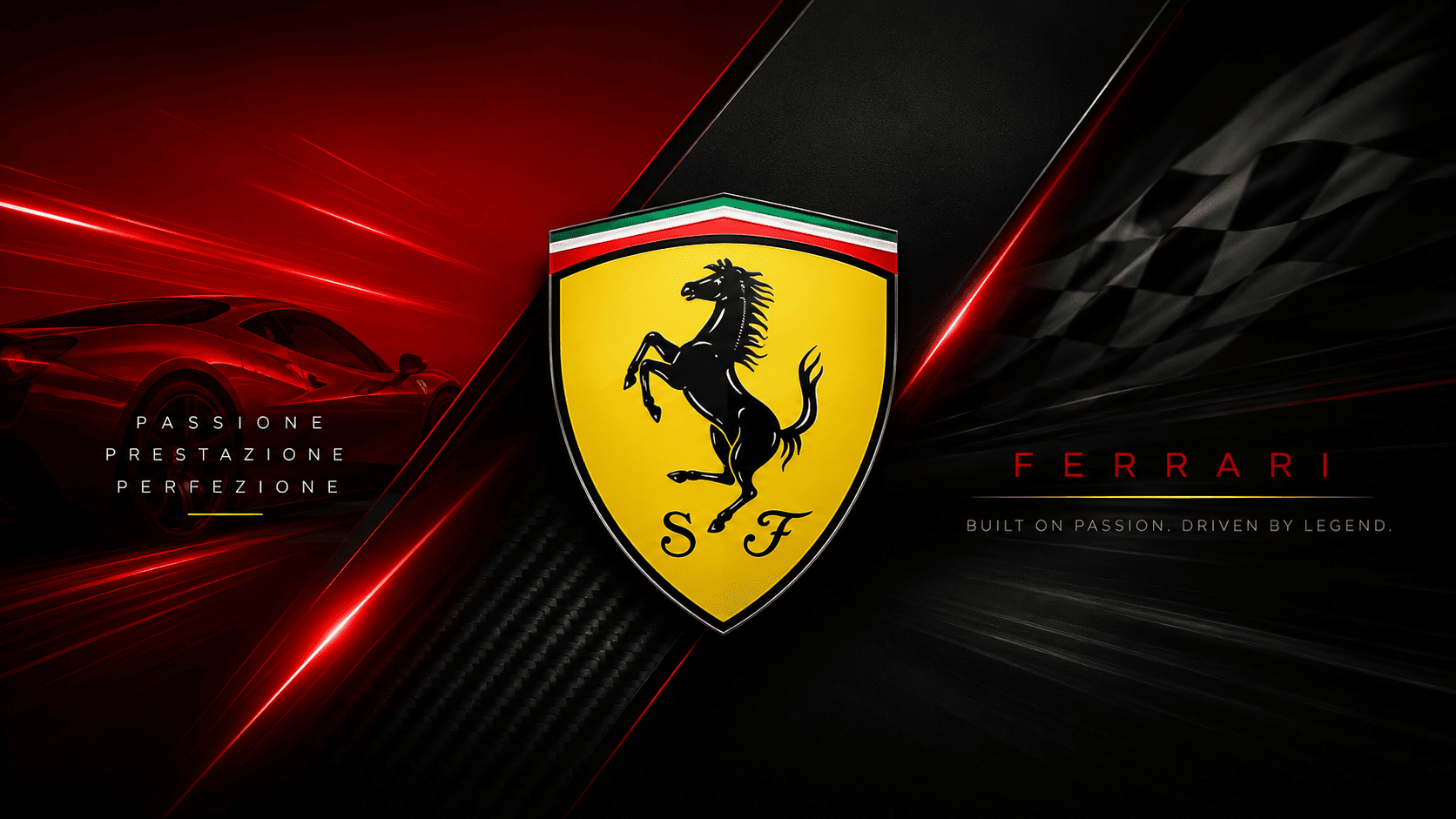
Origin: The emblem originally belonged to Count Francesco Baracca, the top Italian fighter ace during the First World War. Baracca painted this horse on his aircraft for good luck.
-
Hidden Meaning: After he was killed in action, Enzo Ferrari met the count's parents. They suggested he use the symbol on his racing cars. Ferrari adopted the black horse but placed it on a yellow background, representing the colors of his hometown, Modena.
-
Key Detail: The letters SF stand for Scuderia Ferrari, which translates to stable of Ferrari in Italian.
Lamborghini Logo Meaning: Why the Brand Uses a Raging Bull
-
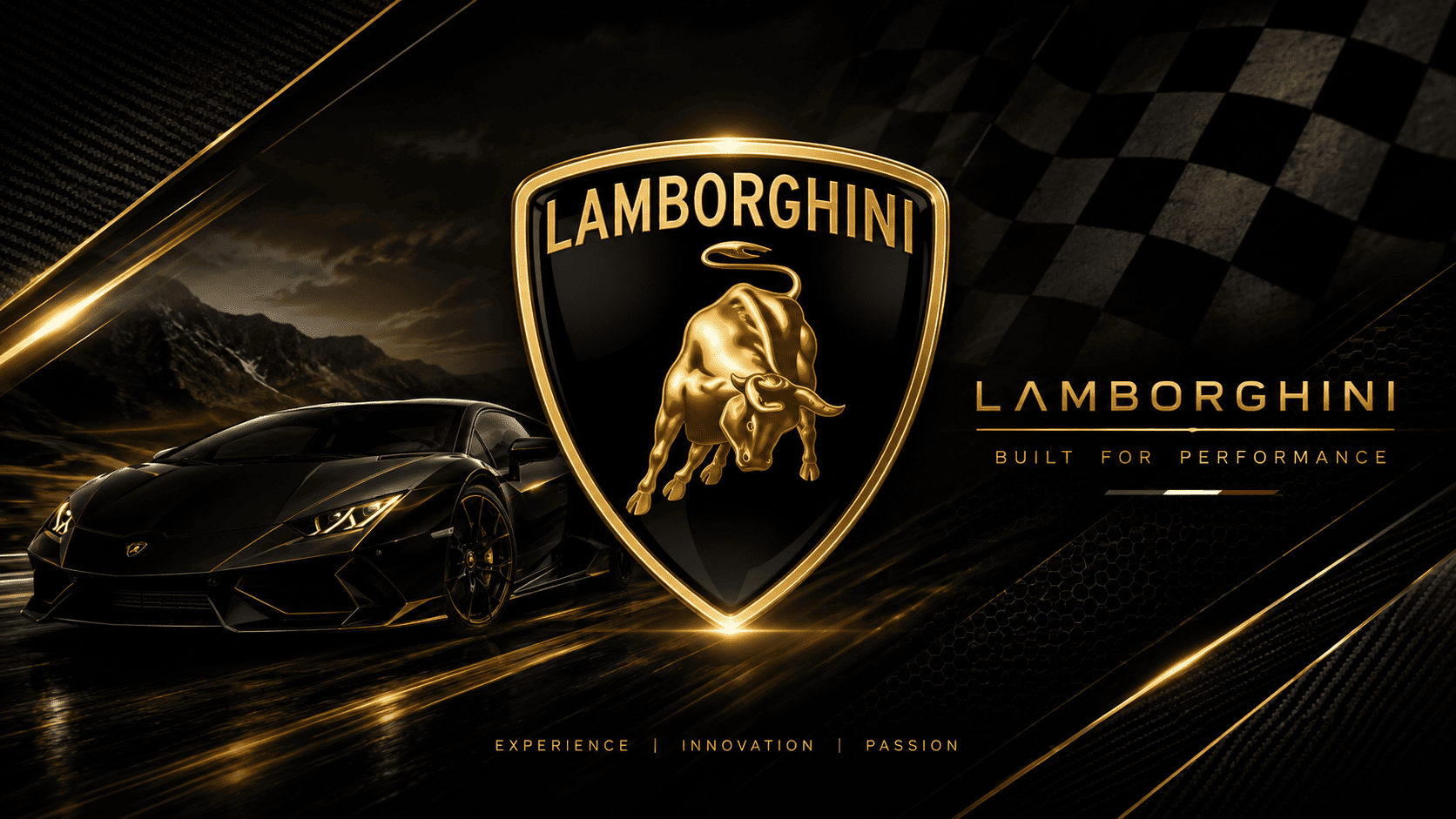
Origin: Founder Ferruccio Lamborghini was born under the zodiac sign of Taurus. He was also a passionate fan of Spanish bullfighting.
-
Hidden Meaning: The powerful, aggressive stance of the bull perfectly represented the character he wanted his cars to embody, which was raw power and an unwillingness to back down. This also tied into his rivalry with Ferrari. While the horse represents grace, the bull symbolizes brute force.
-
Key Detail: Many models, including the Miura and Aventador, are explicitly named after famous fighting bulls.
Porsche Logo Meaning: History Behind the Stuttgart Shield
-
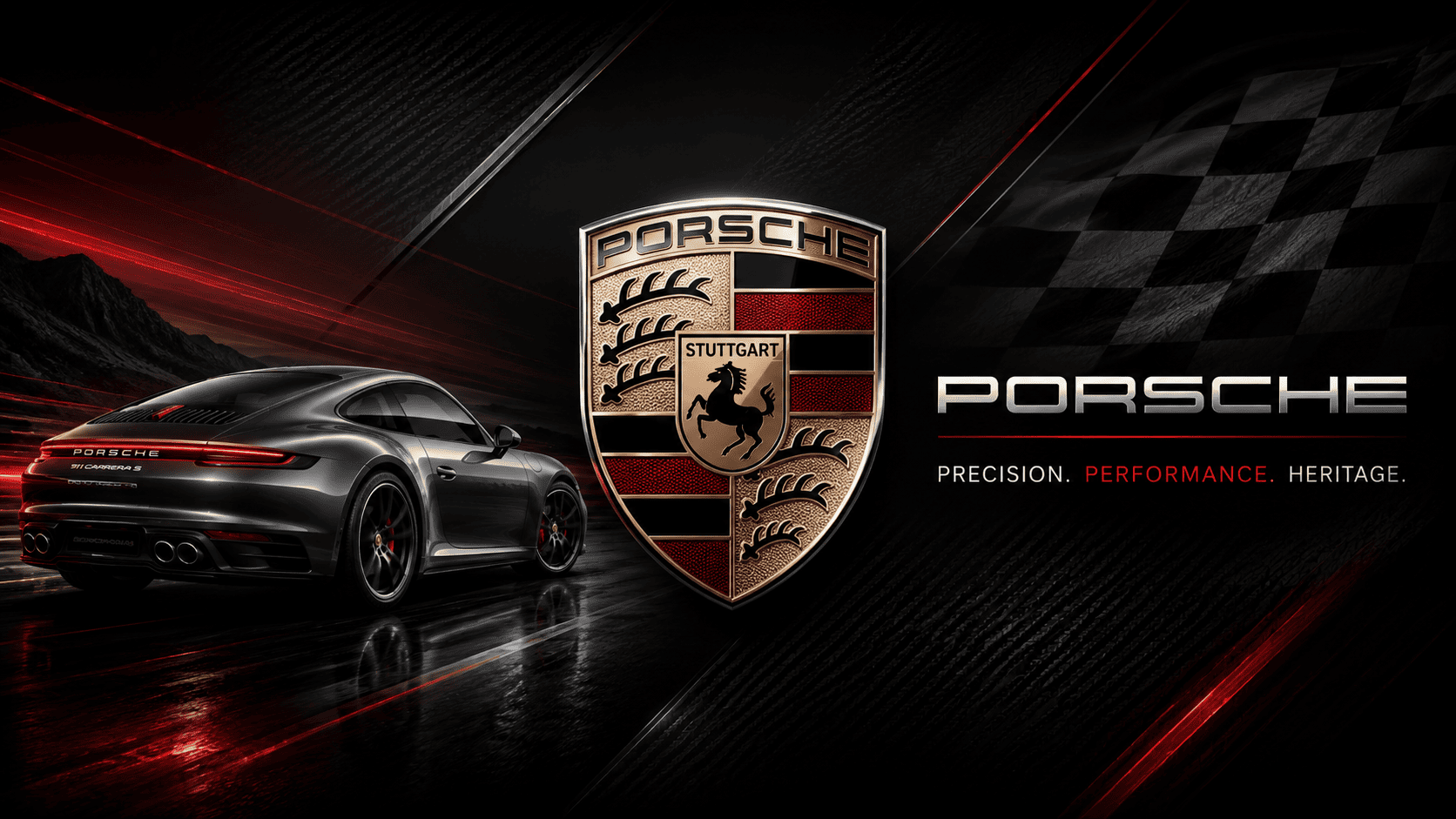
Origin: The Porsche crest is a masterpiece of heraldic design that pays homage to the company roots in Stuttgart, Germany.
-
Hidden Meaning: The black horse in the center represents Stuttgart, a city originally founded as a horse breeding farm. The red and black stripes with antlers represent the coat of arms of Wurttemberg, the former German state where the headquarters is located.
-
Key Detail: The logo perfectly captures an identity rooted in regional tradition but always looking forward to future performance.
BMW Logo Meaning: The Truth Behind the Bavarian Roundel
-
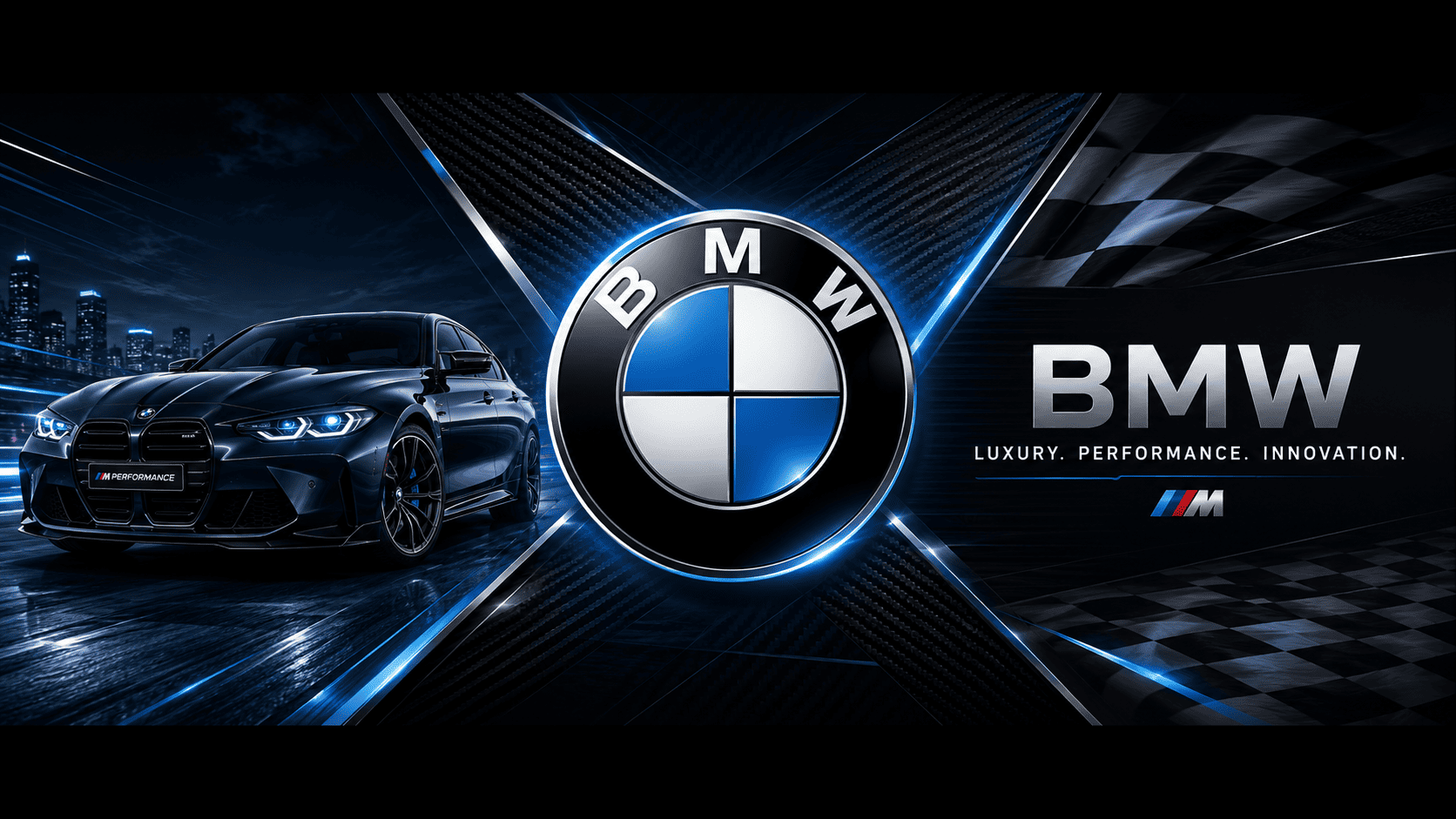
Origin: The distinctive BMW roundel is one of the most misunderstood emblems in the world. Many people believe it represents a spinning aircraft propeller, but this is a myth.
-
Hidden Meaning: The truth is much simpler. The blue and white quartered design comes directly from the flag of Bavaria, the German state where the company was founded. The black outer ring was inherited from Rapp Motorenwerke, the aircraft engine company that BMW evolved from.
-
Key Detail: The propeller myth started decades later due to a marketing advertisement, but the true meaning remains strictly geographical.
Mercedes-Benz Logo Meaning: What the Three-Pointed Star Represents

-
Origin: The three pointed star originated from a postcard sent by founder Gottlieb Daimler to his wife. He marked their home with a star and noted that it would one day shine over his factories.
-
Hidden Meaning: When adopted as a trademark, the three points came to symbolize the brand's ultimate ambition, which was universal motorization across land, sea, and air.
-
Key Detail: The famous Silver Arrows racing cars later cemented this star as a symbol of absolute dominance on the track.
Audi Logo Meaning: Story Behind the Four Rings
-
Origin: The clean, interlocking four rings represent a historic corporate rescue mission. During the Great Depression, four independent German automakers merged to survive.
-
Hidden Meaning: The companies were Audi, DKW, Horch, and Wanderer. They formed the Auto Union, with each ring representing one of the founding companies.
-
Key Detail: The silver coloring also has historical significance, as silver was the national racing color of Germany during the early motorsport era.
Alfa Romeo Logo Meaning: Milanese Symbols and Hidden History
-
Origin: Packed with medieval folklore, the left side of the Alfa Romeo badge features a red cross on a white background, which is the historical flag of Milan.
-
Hidden Meaning: The right side features the Biscione, a giant crowned serpent swallowing a human. This was the official coat of arms of the Visconti family, who ruled Milan during the eleventh century.
-
Key Detail: It is one of the few logos that still retains its incredibly complex, multi layered medieval design.
Tesla Logo Meaning: The Electric Motor Connection
-
Origin: While it looks like a sleek modern letter T, the Tesla logo represents a literal slice of the technology powering the vehicle.
-
Hidden Meaning: The vertical line shows a cross section of an electric motor stator, while the curved upper bar represents a section of the rotor.
-
Key Detail: This technical inspiration reflects the company approach to design, where form strictly follows function.
Toyota Logo Meaning: What the Three Ellipses Represent
-
Origin: The three overlapping ellipses represent the heart of the customer, the heart of the company, and the technological innovation that brings them together.
-
Hidden Meaning: The inner ellipses form a T for Toyota. There is also a hidden connection to the company's history as a textile manufacturer, with some interpreting the inner ellipse as representing a needle with thread passing through it.
-
Key Detail: The design incorporates elements of Japanese calligraphy, reflecting traditional artistic principles.
Hyundai Logo Meaning: The Hidden Handshake Symbol

-
Origin: At first glance, the Hyundai logo appears to be a simple italicized H. However, the badge is actually designed to represent two people shaking hands.
-
Hidden Meaning: One represents the company and the other represents the customer. The logo symbolizes trust, satisfaction, and the relationship between the brand and its drivers.
-
Key Detail: It is a brilliant example of modern corporate branding hiding a deeply human message inside a simple geometric shape.
More Famous Car Brand Logos and Their Meanings
To provide a broader understanding of car brand logos explained, here is a comprehensive table detailing the hidden meanings and origins of several other legendary automotive badges.
|
Brand |
Logo Symbol |
Hidden Meaning and Origin |
|
Volvo |
Iron Circle and Arrow |
The ancient symbol for Mars and iron, representing Sweden's iron industry, durability, and safety. |
|
Subaru |
Six Stars |
Represents the Pleiades star cluster. In Japanese, it means to unite, reflecting the merger of companies to form Fuji Heavy Industries. |
|
Citroen |
Double Chevron |
Inspired by a double helical gear design discovered by founder Andre Citroen, representing engineering innovation. |
|
Peugeot |
Lion |
Predates car manufacturing. Originally represented the strength, flexibility, and sharpness of the company saw blades and tools. |
|
Mitsubishi |
Three Diamonds |
Mitsu means three and hishi refers to a diamond shape. It combines the crests of the Tosa clan and the Iwasaki family. |
|
Bentley |
Winged B |
Dates back to the company involvement in aircraft engine production during the First World War, symbolizing speed and aviation heritage. |
|
Maserati |
Trident |
Inspired by the Fountain of Neptune in Bologna, Italy, chosen to symbolize raw power, strength, and civic pride. |
|
Skoda |
Winged Arrow |
The arrow represents speed and progress, the wings symbolize freedom, and the eye in the center reflects precision and vision. |
|
Mazda |
Winged M |
The oval represents the sun, while the stylized M resembles outstretched wings, symbolizing creativity and the desire to soar. |
|
Abarth |
Scorpion |
It comes from the astrological sign of founder Carlo Abarth, matching the brand reputation for small but aggressive high performance cars. |
Car Logo Evolution: How Automotive Logos Changed Over Time
Understanding the car logo evolution timeline helps us see how automotive branding has shifted from complex heraldry to minimalist digital designs. Creating an emblem is often a process of elimination, and many famous brands went through several iterations before settling on their current look.
Ford Logo Evolution: How the Blue Oval Became Iconic
-
The initial version of the logo was overloaded with details and elaborate scripts.
-
Henry Ford preferred simplicity, leading to a clean, easily recognizable design.
-
The way it looks now is clearly associated with quality, reliability, and mass market appeal.
Volkswagen Logo Evolution: From Post-War Rebranding to Modern Identity
-
The original symbol was designed with heavy historical influences that had to be completely abandoned after the Second World War.
-
The automobile plant passed to the British, and the company had to refuse its old symbols.
-
Currently, the abbreviation has remained unchanged, but it features a much more friendly blue and gray color palette to reflect a new era of peace.
Audi Logo Evolution: How the Four Rings Became a Global Symbol
-
August Horch became the founder of this car giant, and the world first learned about this producer at the beginning of the last century.
-
The four bound rings came out as a strategic alliance to reduce costs during a period of massive economic instability.
-
By the company's centenary, the logo was slightly redesigned with fine lines added for a more modern, premium look.
BMW Logo Evolution: From Classic Roundel to Modern Design
-
Franz Josef Popp became the founder of the famous brand and creator of the initial logo.
-
The company's appearance has remained largely unchanged for decades, strictly adhering to the Bavarian colors.
-
However, the brand did add some volume to the icon in the early two thousands, giving the classic roundel a modern, three dimensional feel that works perfectly on digital screens.
Car Logo Evolution Timeline: From Classic Badges to Digital Designs
To illustrate how the visual identity of car brands has adapted to modern times, here is a structured breakdown of the major design trends that have shaped the car logo evolution timeline over the decades.
|
Era |
Design Trend |
Characteristics and Examples |
|
Early 1900s |
Complex Heraldry |
Intricate crests, coats of arms, and regional flags. Examples include Porsche, Alfa Romeo, and Maserati. |
|
Mid 1900s |
Simplification and Chrome |
Transition to cleaner shapes, heavy use of chrome, and prominent mascots. Examples include Mercedes-Benz and Rolls-Royce. |
|
Late 1900s |
Flat Corporate Branding |
Focus on geometric shapes, bold colors, and easy reproduction on merchandise. Examples include Hyundai, Toyota, and Audi. |
|
Modern Era |
Minimalist and Digital |
2D flat designs, removal of 3D effects, and optimized for smartphone screens and digital dashboards. Examples include BMW, VW, and Nissan. |
How to Protect Car Logos, Emblems and Paint Finish
Preserving the history behind iconic car logos requires proper maintenance. The badges on your vehicle are constantly exposed to harsh weather, road chemicals, and automatic car washes. Over time, chrome can pit, and painted emblems can fade due to ultraviolet damage.
Regular washing with pH neutral soap and gentle microfiber towels is essential. Many enthusiasts also apply ceramic coating to their badges. This creates a hard, hydrophobic surface that repels water and contaminants, making the emblems easier to clean and maintaining their mirror-like shine for years.
Car emblems and the surrounding paintwork are exposed to dust, UV rays, rain, road debris and frequent washing. Along with regular cleaning, Paint Protection Film can help protect painted areas around badges, bonnets and high-impact zones. Trusted solutions from brands like Garware Hi-Tech Films can help preserve the original finish without changing the vehicle’s overall appearance.
Conclusion: Why Car Logos Still Matter Today
Car logos are not just decorative metal pieces attached to a grille. They are cultural artifacts steeped in legacy, meaning, and human history. Whether it is the poised elegance of a flying lady, the raw aggression of a charging bull, or the proud unity behind four simple rings, these emblems are milestones of automotive identity.
By understanding the car logo history and the hidden meanings behind these symbols, we connect much more deeply to the machines we drive. They remind us that behind every steering wheel lies a rich tapestry of engineering triumphs, regional pride, and visionary founders. The next time you walk past a parked vehicle, take a closer look at the badge on the bonnet. You are not just looking at a brand. You are looking at a story waiting to be told.
FAQs About Car Logo History and Meanings
1. What is the meaning behind famous car logos?
Famous car logos represent a brand’s history, values, origin, founder story or design philosophy. For example, Ferrari’s prancing horse is linked to a First World War fighter ace, while Audi’s four rings represent the merger of four German automakers.
2. Which car logo has a horse?
Ferrari and Porsche both use horse symbols in their logos. Ferrari’s prancing horse comes from Count Francesco Baracca’s aircraft emblem, while Porsche’s horse represents Stuttgart, the German city where the company has its roots.
3. What does the BMW logo mean?
The BMW logo represents the blue and white colours of Bavaria, the German state where the company was founded. It is often mistaken for an aircraft propeller, but its actual meaning is linked to BMW’s Bavarian origin.
4. What do the four rings in the Audi logo mean?
The four rings in the Audi logo represent Audi, DKW, Horch and Wanderer. These four German automakers merged in 1932 to form Auto Union, and each ring stands for one founding company.
5. Why does Lamborghini have a bull logo?
Lamborghini uses a bull because founder Ferruccio Lamborghini was born under the Taurus zodiac sign and admired Spanish bullfighting. The raging bull reflects strength, aggression and high-performance character.
6. What does the Mercedes-Benz logo represent?
The Mercedes-Benz three-pointed star represents the brand’s ambition to dominate land, sea and air mobility. Today, it is also seen as a symbol of luxury, engineering excellence and premium automotive identity.
7. Which car logos are inspired by animals?
Many famous car logos are inspired by animals. Ferrari uses a horse, Lamborghini uses a bull, Porsche has a horse, Peugeot uses a lion, Abarth uses a scorpion, and Alfa Romeo features the Biscione serpent.
8. What is the meaning of the Toyota logo?
The Toyota logo has three overlapping ellipses. They represent the heart of the customer, the heart of the company and the innovation that connects them. The inner shapes also form a hidden “T” for Toyota.
9. Why are car logos becoming simpler?
Car logos are becoming simpler because brands need designs that look clear on websites, mobile apps, digital dashboards, social media and EV interfaces. Flat and minimal logos are easier to recognize across digital platforms.
10. How can I protect my car logo and emblem?
You can protect your car logo and emblem by cleaning them with pH-neutral soap, using a microfiber cloth and avoiding harsh chemicals. Ceramic coating or Paint Protection Film can also help protect the surrounding paint from UV rays, dust, rain and road debris